

Teens in Print
  • About Us
    • About Teens in Print
    • Meet the Staff
  • Browse Writing
    • By Topic
      • Cultural Criticism
      • Life During COVID-19
      • School and Career
      • Arts, Entertainment & Food
      • Science, Health & Technology
      • National and Global Issues
      • Local Issues
    • By Genre
      • Reviews & Listicles
      • Creative Writing
      • Opinion Writing
      • News
      • Personal Essays
      • Advocacy Letters
      • Multimedia
    • By Author
      • Cimmaron Holman Jr.
      • Ella Verinder
      • Gloria Ekechukwu
      • Graham Martin-Wilson
      • Isaiah Roseau
      • Ketura Joseph
      • Lily Castello
      • Shaniece Clarke
      • More authors
  • For Teachers
  • Get Involved
    • Join Teens in Print
    • Collaborate
    • Volunteer
    • Contact Us
Teens in Print

Type and hit Enter to search

Teens in Print
  • About Us
    • About Teens in Print

    We’re a writing program for Boston students. Learn about our approach and what we offer.

    • Meet The Staff
    Get to know the writing mentors behind Teens in Print.
  • Browse Writing
    • By Topic
    • Cultural Criticism
    • Life During COVID-19
    • School and Career
    • Arts, Entertainment & Food
    • Science, Health & Technology
    • National and Global Issues
    • Local Issues
    • By Genre
    • Reviews & Listicles
    • Creative Writing
    • Opinion Writing
    • News
    • Personal Essays
    • Advocacy Letters
    • Multimedia
    • Teens in Print Magazine
    • By Author
    • Cimmaron Holman Jr.
    • Ella Verinder
    • Gloria Ekechukwu
    • Graham Martin-Wilson
    • Isaiah Roseau
    • Ketura Joseph
    • Lily Castello
    • Shaniece Clarke
    • More authors
  • For Teachers
    • Use TiP in your classroom

    Model skills or genres using mentor texts by students.

  • Get Involved
    • Join Teens in Print

    We’re always looking for new voices. Boston students from grades 8 – 12 are welcome to apply.

    • Collaborate
    We offer workshops for educators and community organizations. Drop us a line to partner with Teens in Print.
    • Volunteer
    Lend your expertise to Teens in Print as an editor, writing mentor, guest speaker, or more.
    • Contact Us
    Reach out to Teens in Print.

Type and hit Enter to search

Teens in Print
  • About Us
    • About Teens in Print

    We’re a writing program for Boston students. Learn about our approach and what we offer.

    • Meet The Staff
    Get to know the writing mentors behind Teens in Print.
  • Browse Writing
    • By Topic
    • Cultural Criticism
    • Life During COVID-19
    • School and Career
    • Arts, Entertainment & Food
    • Science, Health & Technology
    • National and Global Issues
    • Local Issues
    • By Genre
    • Reviews & Listicles
    • Creative Writing
    • Opinion Writing
    • News
    • Personal Essays
    • Advocacy Letters
    • Multimedia
    • Teens in Print Magazine
    • By Author
    • Cimmaron Holman Jr.
    • Ella Verinder
    • Gloria Ekechukwu
    • Graham Martin-Wilson
    • Isaiah Roseau
    • Ketura Joseph
    • Lily Castello
    • Shaniece Clarke
    • More authors
  • For Teachers
    • Use TiP in your classroom

    Model skills or genres using mentor texts by students.

  • Get Involved
    • Join Teens in Print

    We’re always looking for new voices. Boston students from grades 8 – 12 are welcome to apply.

    • Collaborate
    We offer workshops for educators and community organizations. Drop us a line to partner with Teens in Print.
    • Volunteer
    Lend your expertise to Teens in Print as an editor, writing mentor, guest speaker, or more.
    • Contact Us
    Reach out to Teens in Print.
Arts & EntertainmentgamingNational and Global IssuesPoliticsReviews & Listicles

GPU Shortage

Paul Young
January 30, 2026 2 Mins Read
1 Views
0 Comments

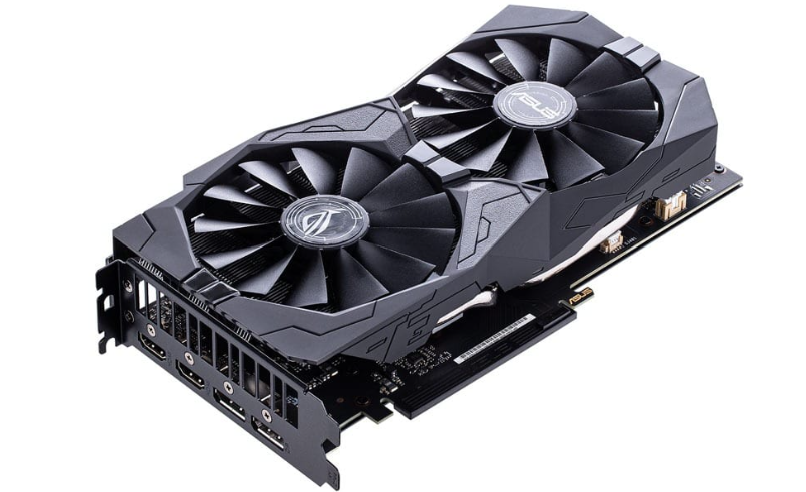
Before we start by telling you what GPU are, GPU stands for Graphics Processing Unit. And ram a fellow important peas to the shortage ram stand for Random Access Memory. Why is it happening: so AI companies are buying all the GPU, GPU are used for rapidly process and render images, videos, and 3D animations, AI companies (like chatGPT) use it to train their AI

What even is a GPU?

GPUs are complexly designed chips that make your computer’s graphics, or moving images, better. They increase the ‘frames per second,’ which means an animation looks realer because it’s moving faster on your screen. This is super important for video games. GPUs are made with billions of transistors, which are then fabricated onto silicon wafers in ultra-clean factories using photolithography and EUV light to etch patterns layer by layer, a process taking months and thousands of steps. They are then cooled, and assembled into final graphics cards. The finished chips are then packaged, mounted on Printed Circuit Boards (PCBs) with other components of computers, like the memory. RAM or Random Access Memory is something that helps the GPU do its job when someone plays a video game on a computer. RAM is like the computer’s short term memory, it remembers what you have in your inventory when playing Minecraft for example, but isn’t what stores your important stuff like homework assignments. GPU makes all the stuff that RAM remembers to keep in your Minecraft inventory look really cool, so that’s how these things are working together. RAM is less cool when your GPU isn’t good.

AI companies are making GPUs hard to get

Tech companies’ top selling makers over GPUs are AMD, Nvidia and Intel. They make 99% of all GPUs, and they are now selling a lot of them to AI companies, like OpenAI which makes ChatGPT. Most GPUs are being bought up by AI companies, which is making it so people like you and me can’t buy them at an affordable price or at all. You see, AI companies are needing RAM and GPU more and more so AI can learn better. Because these companies have gotten so much money from other companies who like their AIs, they can get hundreds of thousands or GPU units per day. For most GPUs the price has gone up by 10-30%.

Solutions for Gamers

Most gamers can’t afford most GPU or RAM upgrades as what was once a 100$ RAM is now $300! That is a lot of money, and a lot of gamers are having to hold off upgrading their PC (personal computer). It’s a super rare scenario to see any sales online or at stores. But, there is hope! Gamers, by telling our lawmakers that we don’t want AI, and by not buying from companies who give money to AI companies, AI will stop being thought of as a moneymaker. When everyone learns that nobody wants AI, they will stop focusing on AI, and my bet is the AI bubble will pop someday.

Print Friendly, PDF & Email

Tags:

AIeconomyGamingListiclepoliticsTechnology

Share Article

Read more by this author Written By

Paul Young

Next
Poster image of the fantasy TV show Lost Girl
January 30, 2026

Reasons Why Lost Girl is Underrated

Previous
January 28, 2026

Paris Street – A Place Where People Build Connections & Community

You might also like

Wanna hear a song so good it’ll have you replaying it millions of times?

Jari Rivera
January 30, 2026
Image of the puppet shark from Jaws, with Steven Spielberg holding its mouth open

How sharks are misjudged.

Jeiri Massiel Pegureo
January 30, 2026

VISUAL NOVELS: Recomendation List for Gamers

Jhanell Estillore
January 30, 2026

The wildest conspiracy theories taking over the internet

Lisdaly Suazo
January 30, 2026

Subscribe to our newsletter and get student writing delivered to your inbox.

Sign me up
Teens in Print
We’re a writing program and publication for Boston students.

2025 © Teens in Print All rights reserved.

Quick Links

  • Home
  • About Us
  • Browse Articles
  • Join Teens in Print
  • Contact Us
  • About our parent organization, WordPowered
  • Terms & Conditions
  • Privacy Policy

Keep up with TiP

Instagram Youtube