
Nestle is a company that many people know. Their products are affordable, taste good and sell well. Most people know them because of their milk brand with the bunny, Nesquik. They own about 121 plus brands which are sold in many stores. You might not even notice that you’ve bought a product owned by Nestle. Some brands you might recognize but never knew were associated with Nestle are Buitoni, Purina, Cheerios, Drumstick, ect. Which makes it almost impossible to boycott if you don’t do your research! The company makes itself seem to be innocent and unproblematic, but this isn’t true. The only reason it seems that way is because they try to sweep things under the rug, but plenty of people still talk about their bad actions.
Drying up water sources
One of Nestle’s controversies currently happening is them using water sources in America and not caring about it. This has caused many bodies of water to dry up, including Strawberry Creek, located in Southwest Berkeley, CA. This was reported on by The Guardian, saying, “Conservationists say some creek beds in the area are now bone dry and once-gushing springs have been reduced to mere trickles. The Forest Service recently determined Nestlé’s activities left Strawberry Creek “impaired” while ‘the current water extraction is drying up surface water resources.’” Nestle’s continuous withdrawal of many water sources have a deadly effect on everyone and the wildlife. Many of them can’t even go back to how they used to be because of how much water is being taken.
Many effects on the wildlife because of the water being taken rapidly are mentioned in The River Trust website and one piece of information says, “Reduced river levels limit the amount of available habitat and can fragment waterways into isolated pools, making it impassable for many species which need to move between feeding, breeding or shelter areas.”
The situation with water drying up is affecting wildlife worldwide and shouldn’t be ignored. Nestle is impacting water sources worldwide because at all the locations where they operate factories, they will just take water from the nearest source. Nestle uses the clean water that they’re taking just to put it in plastic water bottles and sell them. The more plastic water bottles they produce, the more pollution there is, since not everyone can recycle them or reuse them by doing a craft with it like cutting the water bottle in half and using it as a tiny pot for a plant.
Dangerous Baby Formula
Not a lot of people know this, but Nestle used to make baby formula called BEBA, which was also called Alfamino. The reason they don’t make it anymore is because the ingredients they put in it were unsafe for babies. It took a long time to fully recall this formula, and it took very long to become public knowledge. When looking into Swissinfo.ch to find out more about what Nestle’s old baby formula contained, it mentions serious concerns, such as the formula having “…very high concentrations of cereulide, a toxin… was found in phenomenal concentrations, in the region of 700 micrograms per kilogram of ‘encapsulated’ oil.. processed into powder form for incorporation into infant formula.” The company has no excuses as to why or how having such a chemical would be beneficial to babies, as it is dangerous to people of all ages.
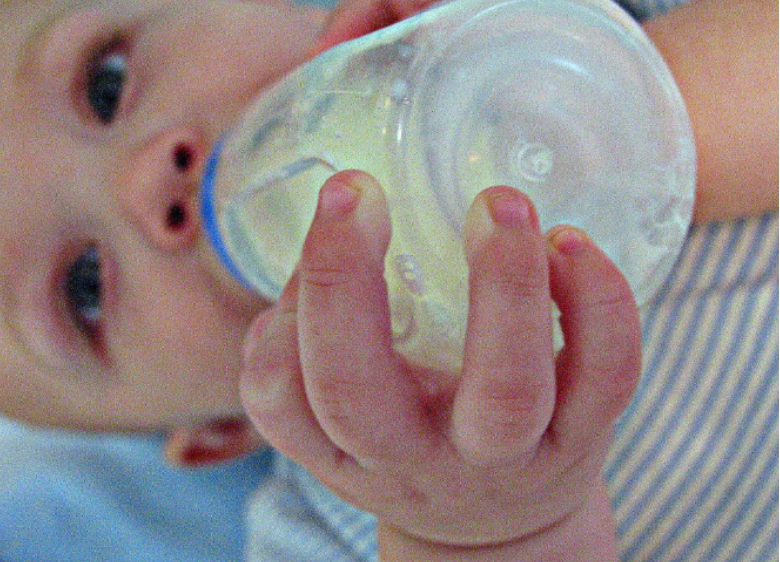
As you may not have known, BBC mentions cereulide “is unlikely to be deactivated or destroyed by cooking, using boiling water or when making the infant milk, the Food Standards Agency (FSA) warned.” Swissinfo.ch also asks a serious question, “… why did Nestlé hold products back in its factories without immediately alerting the authorities, even though some batches had already been sold?” This raises concern as to what other products Nestle may have on the shelves right now that have dangerous chemicals but are not being recalled.
Unfortunately, they do have another baby food that is called Neslac. It introduces hard food to your baby, but apparently does not contain the same toxins as their recalled baby formula brand. Not only do they have Neslac, they have three more brands dedicated to babies, such as Gerber! It is shameful to know that this company is still allowed to make anything for babies, even after a scandal as bad as BEBA. I don’t care that they’ve been making food for babies for many years, the only reason they still can is because people keep buying, people don’t care, and because the company is rich enough to keep doing so.
Nestle Is Not Easy to Boycott
Nestle is very hard, almost entirely impossible, to boycott, especially if you live somewhere that doesn’t have diverse brands in supermarkets. Nestle makes a lot of cereal products that many people buy, like Trix, that you see in almost every store. Furthermore, Trix is owned by General Mills, which is owned by Nestle. General Mills also owns cheerios, Blue Buffalo, Betty Crocker, Pillsbury, Old El Paso, and Nature Valley. This means Nestle also owns a part of all those brands which makes it even trickier for people to boycott, especially since most of these products are made to be affordable to people who don’t have a lot of money and makes these their only options to buy.
Now that you’ve finished reading the article, here is a link to help you see what products you should avoid, and a link to see what alternatives you can use!


Other Articles

MMA Community
Autism’s Image Change in The Past 70 Years