How African Wrap Doll-Making Mends the Holes of the Declaration

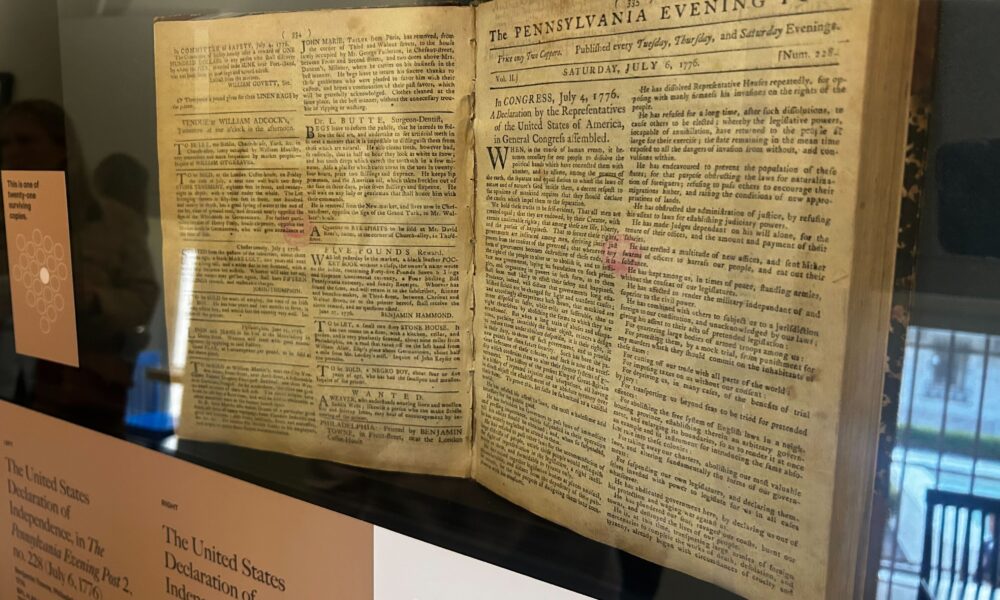
A single parchment, signed in 1776, carried words that cloaked its writers and future generations with the hope of a new, glorious country. In addition, it guaranteed “unalienable rights” such as “Life, Liberty, and the pursuit of Happiness.” Yet, underneath this tone of blunt confidence lay semantics that harbored bias and false promises. To elaborate, The Declaration of Independence was written to only bestow rights upon the powerful, white, male population, through its intentional use of the phrases “…all men are created equal” and “We, therefore, the Representatives of the united States of America…” These phrases pose the question, how can a country truly be united if one, privileged group attempts to speak for others? By occupying a land that was never theirs, and confirming the Declaration as their founding document, these “founding fathers” sowed mistrust and division into the community from the very beginning, leaving an enduring stain on the fabrics of today’s country.
Such a stain can be seen in the invalidation of minority groups in many sectors of modern society, such as education, the court system, and healthcare. According to a 2024 report led by Stanford and USC researchers, “segregation between white and Black students has increased by 64 percent since 1988 in the 100 largest districts, and segregation by economic status has increased by about 50 percent since 1991.” However, this prolonged rise in racial disparity does not end at education. In a U.S. Sentencing Commission report from 2023, data highlights that “Black males received sentences 13.4 percent longer, and Hispanic males received sentences 11.2 percent longer, than white males.” Further, the historical roots of medical racism is revealed in data from a 2022 Pew Research survey, where “55% of Black adults say they’ve had at least one of several negative experiences with health care providers past, such as feeling they had to speak up to get the proper care or that the pain they were experiencing was not being taken seriously.”
The sheer numbers from this collection of research is already telling, but so is its recency. If time could be reversed though, undoing the metaphorical fabric illustrating this cycle of discrimination, its fibers would fray back to the words of the Declaration. By catering to the privileged, white audience, the words of the Declaration also implied that the autonomy and emotions of minority groups do not matter. While history has outlined this impact via the aforementioned oppressions against people of color, there is one thing the Declaration cannot do: erase the rise of resistance. Resistance to the Declaration appears in several forms, and while the work of revered activists or nationwide movements is one, more recognized form, the efforts of local teachers and small workshops remain imperative to reclaiming the rights the Declaration took away.
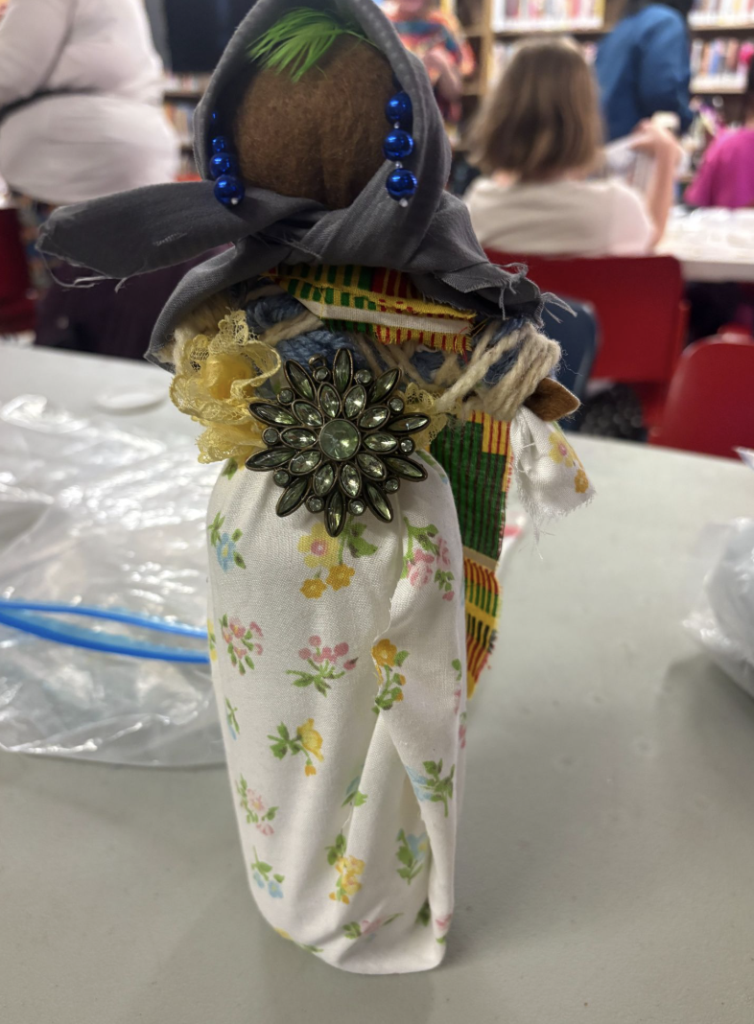
One workshop that accomplished this was the African Wrap Doll Workshop hosted by the National Black Doll Museum. Situated in one of the private rooms of the Egleston Square Library, young participants decorated their own dolls with African prints and accessories that each carried a unique history. The workshop leaders, Debbie and Tammy, fostered a warm, collaborative space while guiding everyone through the doll-making process. To the eager audience of children, Debbie and Tammy painted the motivating meaning behind the dolls. By filling the dolls with stones, each of us would be storing away our insecurities, and the hurtful words meant to break one’s spirit. The solid-colored thread binding the doll’s limbs, Debbie and Tammy reminded us, should not be cut, as this thread symbolized hope. As the workshop went on, I saw how young eyes and smiles lit up at the vivid storytelling of Debbie, how the kids engaged with enthusiasm when Debbie paused to ask questions. Even parents were encouraged to make their own dolls, which only added more comfort to the now bustling environment of doll decorating, laughter, and conversation.
Despite initially spending most of my time quietly jotting down notes on the workshop, when setting down my pen to make a doll of my own, it was like I was absorbed into a corner of my old world again—transported to my childhood living room where I’d similarly dress up my toys, characterizing them into elaborate and silly storylines. The familiar act of choosing one accessory and debating on the look of another in this new space reminded me of such nostalgic memories, which I realized is what this workshop aimed to celebrate. It wasn’t just about feeling proud of the final result, it was about valuing each individual’s creativity and self-worth.
In retrospect, this workshop did more than teach the history behind one of the traditional art forms of 18th century African American culture. It braided hope and confidence into young minds, validating their dreams and dignity– aspects that the Declaration failed to protect. The dedication of workshops like the African Wrap Doll are doing what the Declaration should have done, uplifting minority groups who had been historically mistreated and left out of conversations regarding their own lives, liberty, and happiness. Although the pioneering document of this country persists as a manifestation of exclusivity, the African Wrap Doll workshop is just one of many examples that bring positive change, reshaping what the future of this country can be, one stitch at a time.


Other Articles