Federal Troops in Cities: The U.S. Is Back at Square One

“He has kept among us, in times of peace, Standing Armies without the Consent of our legislatures.” This is one of the grievances that is listed against the British monarch in the United States’s independence-establishing document: the Declaration of Independence. Britain keeping their troops in American colonies where there was little to fear was an absolute betrayal that every American learns young. Britain stationing their troops like this is especially relevant in Boston because it was a driving factor of the Boston Massacre which became a staple of the city’s history.
The Boston Massacre occurred in 1770, five years before the American Revolution. The massacre began when British soldiers fired into a crowd of angry colonists, leading to the death of five Americans. The British’s view of the event made it out to be less violent, dubbing it “The Incident on King Street.” Conversely, the colonists viewed it as a tyrannical move by the British and further fueled the anti-British settlement that was already brewing. A famous piece of propaganda that supported this was Paul Revere’s famous engraving “The Bloody Massacre,” which inspired the event’s name.
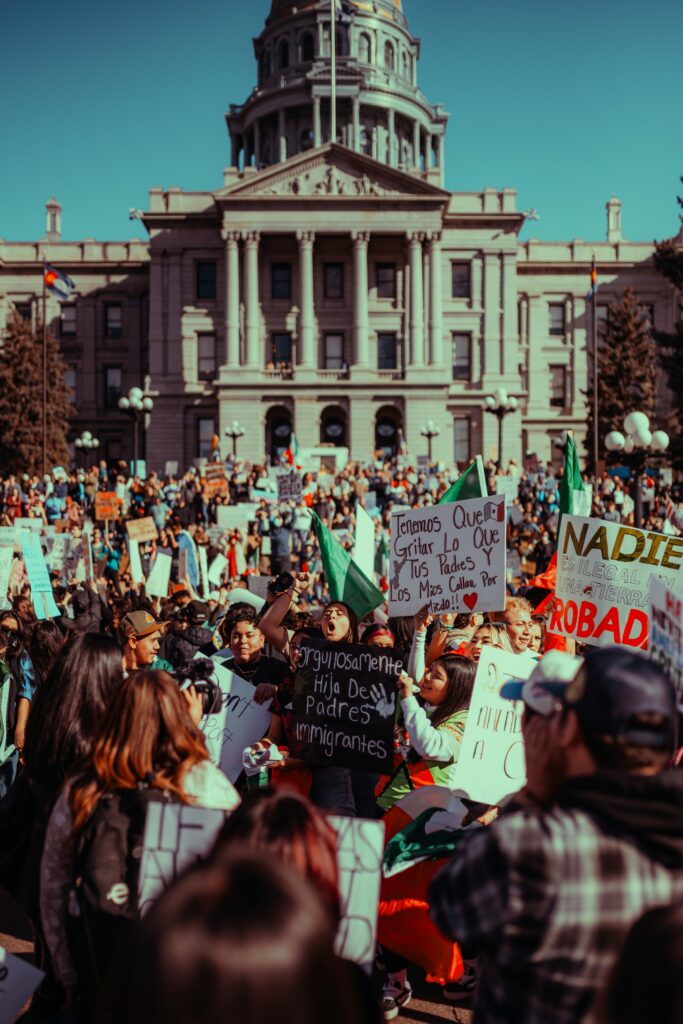
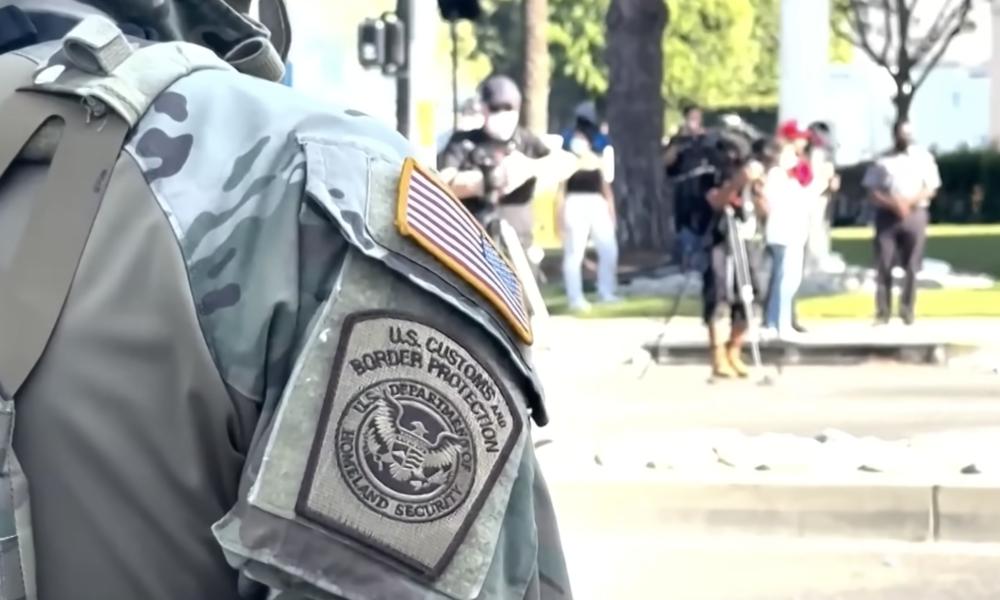
In recent years, the United States has fought against foreign adversaries and the violence they could inflict. But what if the call were coming from inside the house? After months of tension about immigration throughout the country, President Trump’s Immigration and Customs Enforcement (ICE) department began raging war in Minneapolis. It began December 1, 2025 with the declaration by the Department of Homeland Security that “Operation Metro Surge” would commence targeting the Twin Cities’ Somali population. The focus on the population seemed to only come from a place of xenophobia. The Guardian reported that the president called Somali immigrants “garbage” and that he doesn’t want them in the country. The whole purpose of these operations were to send undocumented immigrants out of the country, people who the Trump administration believed could be dangerous. But with the Somali population in the Twin Cities, this focus didn’t make sense. CNN wrote around the beginning of the operation that 58% of Somalis in Minnesota were born in the U.S. Furthermore, 87% of foreign-born Somalis in the state are naturalized U.S. citizens. These facts made the operation an attack more on the Somali identity than a deportation effort but that did not prevent the fear of Somalis in Minnesota that they would be forced to leave their home. In their article, CNN described how Somali residents were carrying papers and IDs around in case they were stopped and that the community’s anxiety was “palpable.”
The operation in Minneapolis did not stop at Somalis, in fact, it seemed to target them very little compared to what other groups endured. For example, data from the Minnesota Reformer stated that from December 1, 2025 to March 10, 2026, Ecuador and Mexico had the most ICE arrests in Minnesota with 1,041 and 876, respectively. Somalia as the country of origin had 99 arrests, the ninth most of all targeted countries.
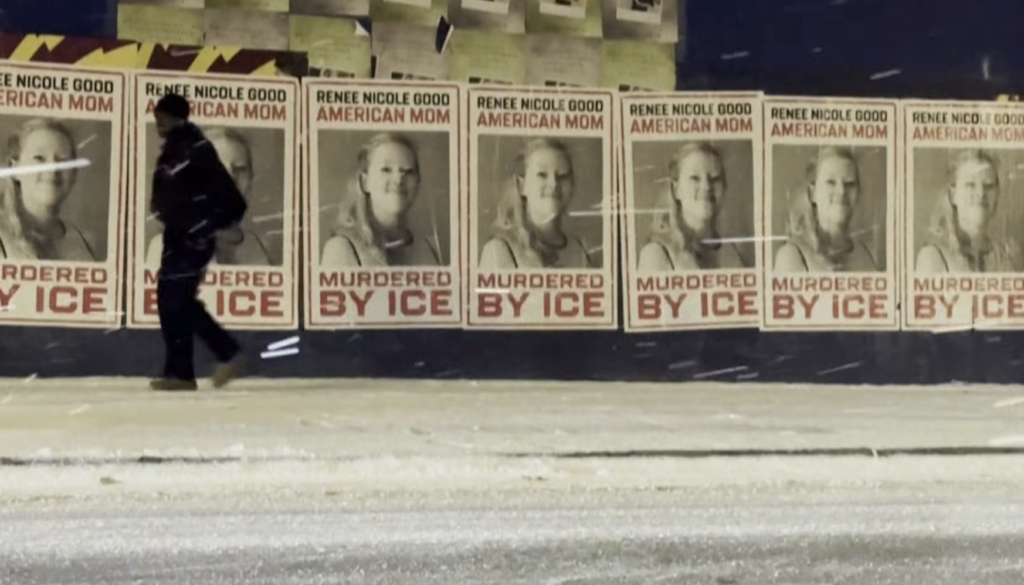
Despite the fact that it was targeting undocumented immigrants, the most well-known part of the operation is the two white American citizens who died during it. First, a little over a month after the operation began, on January 7, 2026, Renée Good, a mother of three, was fatally shot by an ICE agent as she was trying to move her car out of the way of an ICE operation. After two weeks of protests, in Minneapolis and throughout the country, tragedy struck the city again. According to the BBC, intensive care nurse Alex Pretti had begun to protest after the death of Good and to counter the Trump administration’s crackdown on immigration in the city. On January 24, 2026, Pretti was recording ICE activity on his phone before he was fatally shot by an agent. Both of these events occurred at the hands of aggressive federal agents, people whose supposed jobs are to keep communities safe and say that they prevent violence.
As a further insult to Good and Pretti’s lives, the Trump administration accused them both of “domestic terrorism.” Two professors at Georgetown University, however, stated that the Trump administration has been known to throw around the term “domestic terrorism” and it has historically meant an act that is planned and premeditated, neither of which Good and Pretti seemed to be.
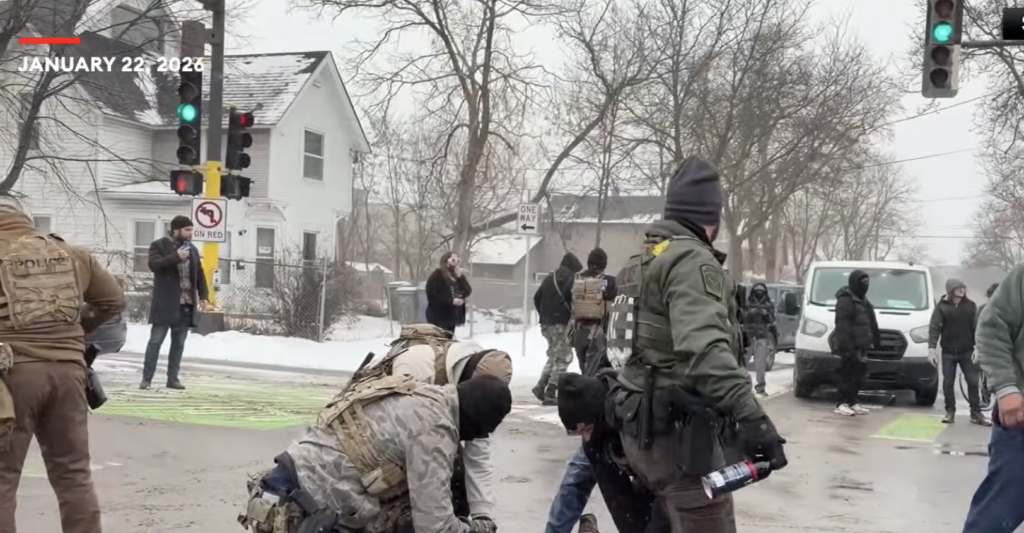
Through the anxiety that gripped the Somali community and the death that was caused at the hands of ICE agents in Twin Cities, it is shown that their presence is not wanted nor beneficial. The Founding Fathers understood this feeling. It was a major motivator in driving them to press for the colonies’ independence. They would be disappointed to know that, while over 250 years has passed, the America that was seen in the 1770s colonies is still seen today. The same fear is present that the government is watching ordinary citizens and has the possibility to inflict harm. So, when we consider whether the grievance the Founding Fathers listed in the country’s independence-declaring document about wanting no more Standing Armies during times of peace was met, it’s reasonable to say it has not been. The U.S. has changed greatly since its founding, but it seems to be true more culturally than at the governmental level. Some Americans don’t even recognize that the country is becoming what once drove it to independence.
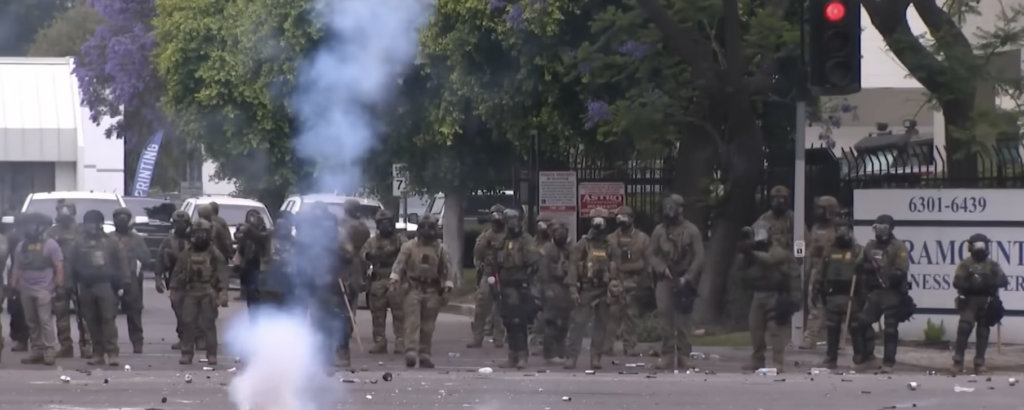
Additionally, the presence of ICE agents in everyday American life may become more common. After President Trump sent ICE agents to airports to “support” unpaid TSA workers in March of 2026, the idea floated around the nation’s capital that the polling booths during this year’s midterms could be next. This, if compared to the British troops, is worse. Not only will they be instilling fear in communities, but while citizens are doing the act that is the foundation of the country’s principles – having a voice in and an impact on the government. Next thing we know, the American people will be forced to redo the Quartering Acts, housing ICE agents just as the colonists were required to do for British soldiers.
As ICE’s role in the United States continues to get more and more un-American, this semiquincentennial, every American should reflect on the Founding Fathers’ grievance to the King of England about the “Standing Armies” present in their communities. It is one almost every American today can relate to.
For some, the presence of ICE agents may just be an unfamiliar or a new fixture. For others, like the immigrant community, it represents that they’re not welcome here. ICE agents are supposed to make this community of vulnerable people as fearful of deportation as criminals are of jail, and it is wholly unjust. With these agents, the United States no longer feels like how it was created to be: The “melting pot” is no longer valued, and the “American Dream” is no longer allowed to be aspired to by people who weren’t born here. So even if ICE may be nothing but an inconvenience for you, think about the people in your community who cannot speak up about their fear and if this is what America is about as a country.


Democracy Now