BIPOC and Queer Artists: The Overlooked Pioneers of the Art World

In 2026 I told myself that I was actually gonna do my resolutions. I had listed all the typical things, like working out, getting better grades, writing more… everything literally everyone on Earth has told themselves they’ll do in the upcoming year (even though we all know they didn’t!) But one of the things I decided to do this year was to watch more movies, read more books, listen to more music and look at more art made for and by queer artists and artists of color.
There were a million reasons why I made this resolution, but to get ultra-specific, it was the movie Bottoms. It came out in 2023, yet the only thing that motivated me to click ‘watch now’ was when the ‘leaving soon’ button appeared over its name on Netflix. I’m so glad that I watched Bottoms because it was hilarious, absurd, but also really sweet and charming. This movie was a driving force that inspired me to look into more things made by such a big and yet overlooked demographic of artists; queer and BIPOC people. I get it, it’s really hard to interact with media you don’t personally relate to in a meaningful way, but I want to convince you to join me on this journey by embracing the unique perspectives and creations of people of color and LGBTQIA+ artists.
The History of Queer Art
It’s a really common belief that being gay is a modern invention when in fact, it couldn’t be farther from the truth. Queerness has been embedded into art since the birth of it. Since the cavemen’s doodles, to the theaters of Shakespeare’s play, queerness has been an important factor of art for thousands of centuries. It was even present and frequent in ancient societies, such as Egypt and Greece, where same-sex relationships between men was a normal part of life. Greek poet Sappho often made works that embraced female beauty and love and has become an important figure in lesbian art history. In her The Anatoria Poem, Sappho writes:
she’s not here, and I’d rather see her lovely
step, her sparkling glance and her face than gaze on
all the troops in Lydia in their chariots and
glittering armor.
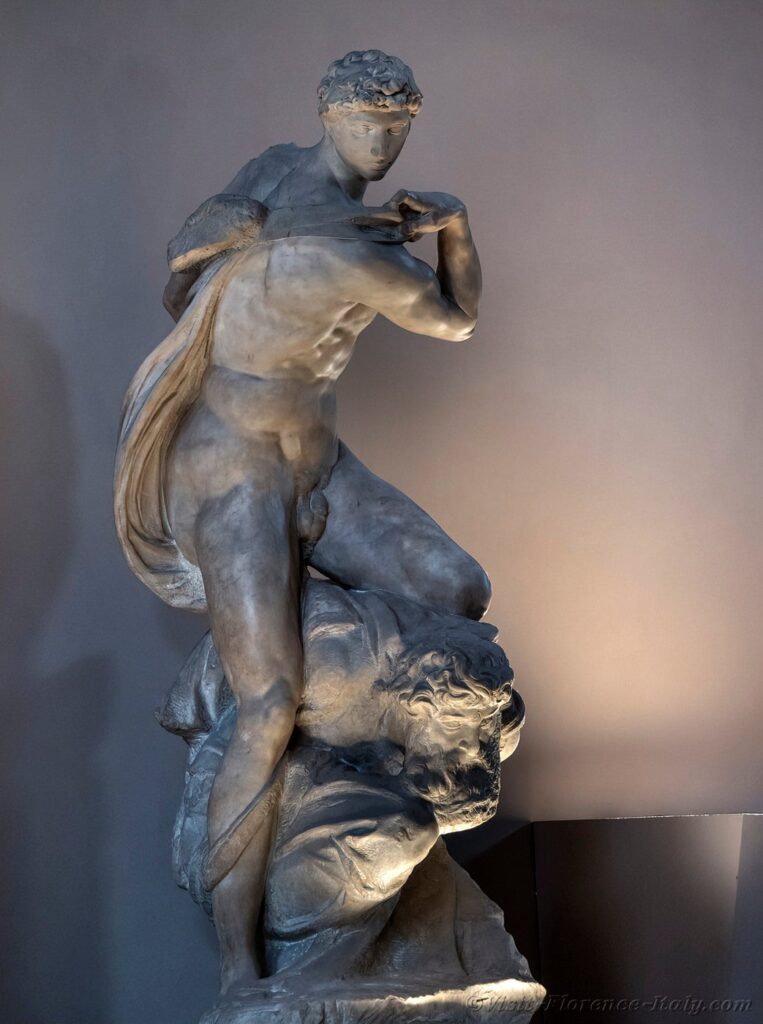
Queer artists continued to exist and thrive in the Renaissance era. Even the most famous and celebrated of renaissance artists, Michelangelo, had tons of work dedicated to his male lovers. Due to his position in the Vatican, he didn’t need to hide his relationships with men. Most famously his statue, The Genius of Victory, was modeled after his lover, Calalievri.
Views on homosexuality became increasingly negative by the 18th and 19th centuries, and even made illegal in a majority of European countries, where it could be punished by jail or even death. During World War II, thousands of gay and lesbian people were persecuted and sent to concentration camps. Being gay in the U.S was considered illegal. Because of this, most queer communities found each other in clubs and bars all around the country which birthed Ballroom Culture. Ballroom was founded by queer and trans black and hispanic people It was a way for queer communities to criticize and parody gender constructs and general politics of the time by dancing, lip syncing, modeling and general performance usually for some sort of prize, most commonly trophies. People who participated in these performances often belonged to Houses, like House of Labejia, where they had close relationships with other members.
Possibly the best known dance move to come out of ballroom performances was voguing. Voguing was an exaggerated dance form inspired by high fashion runway and paired with house music. Another part of the performance was drag. In the mid-20th century, wearing clothing for the opposite gender was against the law, which led to the start of Masquerade balls we now know as drag. Drag is perhaps the most famous part of ballroom, popularized by drag artists, referred to as queen and kings. You might know of Rupaul, who is known as the modern Queen of Drag through his show Rupaul’s Drag Race. Before him was Crystal Labejia, one of the biggest innovators of modern drag and ballroom, and William Dorsey Swann, the first person to identify as a drag-queen. Similarly, although very underrated and ignored despite their major contributions to the queer community as a whole, were queer women who used exaggerated male aesthetics, such as Stormé DeLarverie, the best known drag king. Although drag kings don’t get as much recognition as queens, they’ve been gaining rising popularity from the reality competition shows, King of Drag and Legendary.
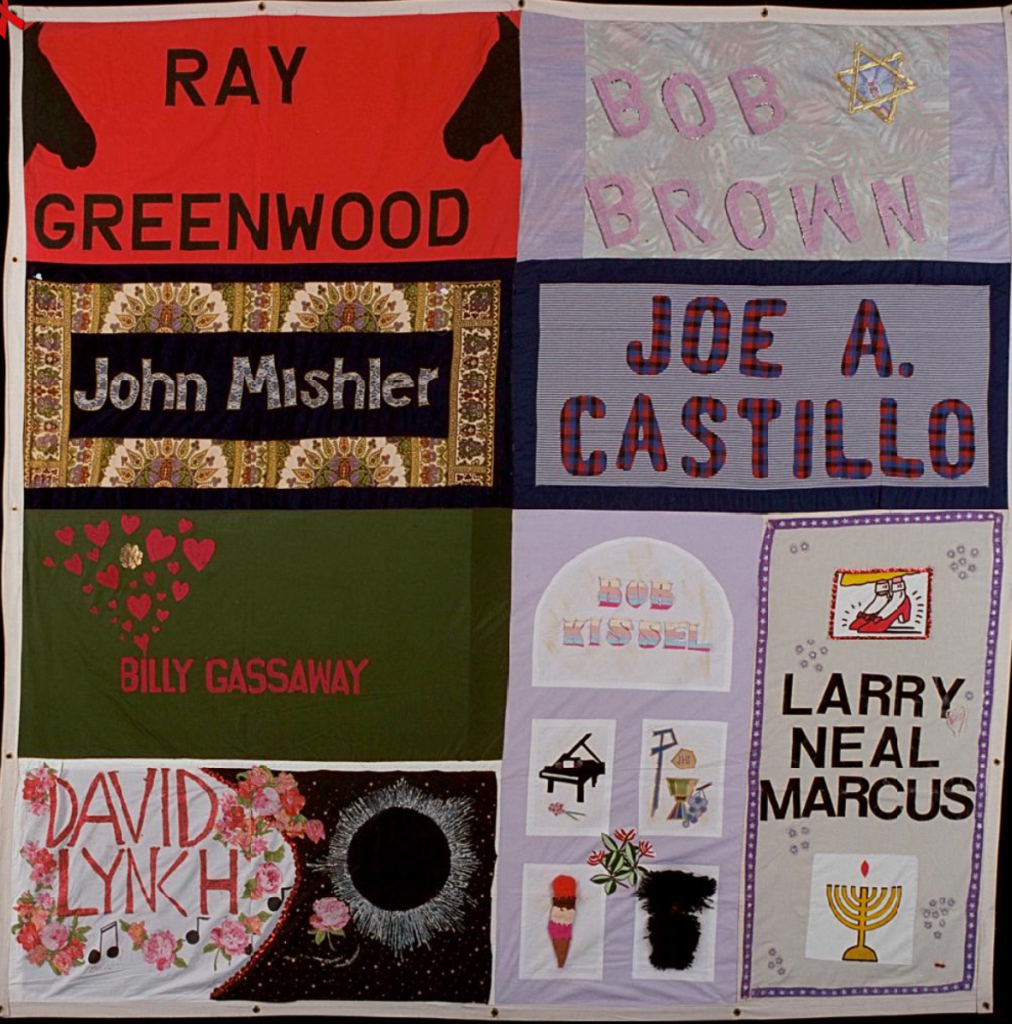
In the 1980s, the AIDS/HIV epidemic devastated the LGBTQ community. Since AIDS disproportionately affected gay men, many misconceptions and dangerous beliefs about gay people were spread throughout the country. Conservatives used the virus to justify their discrimination, mistreatment, and even assault and murder of gay men. Many queer communities were losing their friends, family members, and lovers to the AIDS crisis, while being, however, ignored by the government. This inspired thousands of protests around the country and the creation of the Gay Men’s Health Crisis Center and AIDS Coalition To Unleash Power (known as ACT UP) which helped thousands of people gain awareness and support. Art was also a common way for communities to protest the silence from the government, but also to cope with the anger, grief, and fear that came with death. One of the most iconic artists of modern history, Keith Haring, known for his colorful, motion filled pop art was diagnosed with AIDS and used his art and following to raise awareness and support to ACT UP, but also used it to destigmatise people with AIDS. Another iconic piece of artwork that was created in support of AIDS victims was the AIDS Memorial Quilt, a collaborative art piece in San Francisco made to honor those who lost their lives to AIDS. Hulu’s Pose, a TV-show set in the late 80s, explores the life of black and hispanic queer people during the AIDS crisis.
Despite the centuries of oppression, death, and discrimination, queer communities have still continued to create meaningful and beautiful art, filled with genuine emotion. I encourage every person reading to watch queer movies, listen to music about queer love and heartbreak, and read books with queer themes, because it is all genuinely just as real and emotional as anything created by or for straight people.
Embracing Artists of color
Black Community
Art, whether it be music, sculpture, or painting, is integral to West-African culture. Traditional West-African art, that originated in countries such as Mali and Ghana, uses creative reflection of everyday life and includes a lot of colorful patterns, shapes, religious aspects, and gold. A lot of art focuses on people and their bodies, specifically on female figures and embraces the female form. In the western world, West African was seen as primitive and it wasn’t until European artists such as Pablo Picasso appropriated it that it became largely popular. Modern West African art mixes traditionalism with modern European art mainly due to European influence and colonization with an emphasis on the African identity and experience. Ben Enwonwu is one of the most influential artists of his time and was the first African artist to be commissioned by the British Royal family.
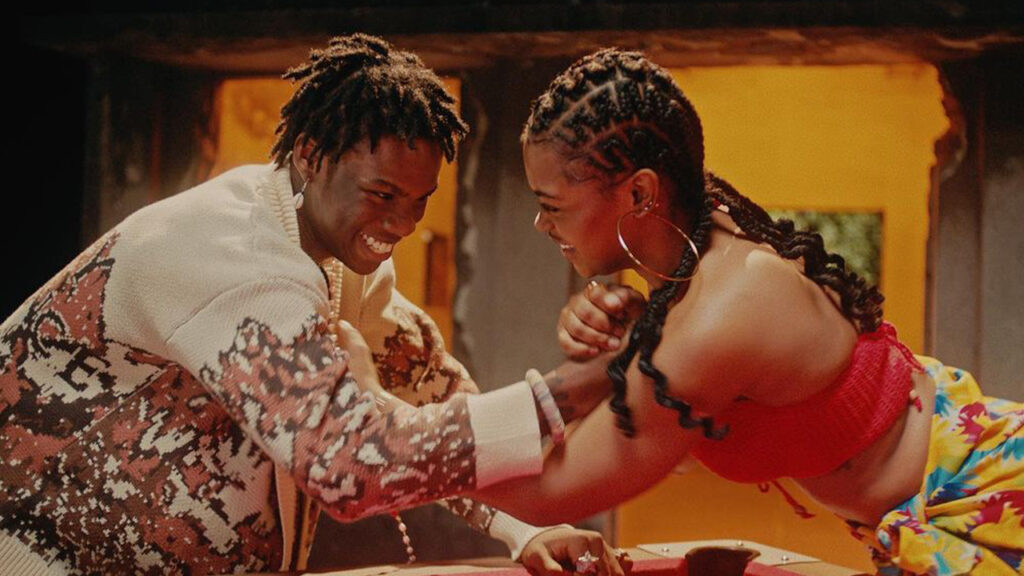
Afrobeats is a West African music genre that mixes traditional West African music with American genres such as pop, jazz, and funk. You might hear Afrobeats when you’re listening to the radio or maybe over the grocery store speakers. Rema’s Calm Down made history in 2024 as being the first Afrobeats song to win ASCAP Pop Song of the Year! I think everyone should try listening to Afrobeats as well, not only because it’s super catchy but it’s also diverse.
Brutal, horrific, and atrocious are extreme understatements of the 17th century colonization and trafficking of West African people and their homes by European countries such as Spain, England and France. Despite the horrific treatment of the enslaved, they still managed to make art in many different ways. Music was one. It not only helped them stay focused during work, but also helped them stay entertained and feel connected to each other. Music allowed enslaved people to express their emotions and send messages to each other. Songs often included religious and spiritual messages with the hope of freedom. Many black women would use braids, not only as protection for their natural hair, but also as a way to communicate escape routes.
In the 20th century, despite no longer being enslaved, African Americans were still largely discriminated against all over the country, and especially in art spaces, so they made their own. The Harlem Renaissance took place during the early 1920’s to the mid 1930’s, and had a huge influence on American poetry, jazz, performance arts, and fashion. Some famous artists that came from the Harlem renaissance include jazz musician Louis Armstrong, poet Langston Huges, painter Aaron Douglas, and singer Ella Fitzgerald. The Apollo Theater in the heart of Harlem still stands as a center of African American art and performance. You can learn more about it on the Apollo Theater website, but I encourage you to visit to not only learn more about its amazing ninety year history, but also meet new talented musicians, comedians, and actors.
Asian Community
Some of the world’s oldest art pieces originate in Asia. Countries such as India, Iran, China, and Indonesia, have painted, sculpted, created music, and wrote stories for thousands of years. Asian art compasses an entire continent with entirely different cultures and ideals on art and can’t be generalized. Madhubani art, for example, originates from India and Nepal and includes lots of bold colors, shapes, and usually includes some sort of natural element such as flowers, animals, or people. Kabuki is a popular style of dance that originates from 17th century Japan and includes dramatic costumes and makeup used on stage to tell a story. In Vietnam, traditional folk masks made out of wood and sometimes paper mache are used for religious purposes, festivals, and performances. Tatreez is a traditional style of embroidery that originates from Palestine that includes tons of cultural motifs and tells a story of Palestinian life and connection. I chose these art styles specifically because I believe that a lot of people don’t know that a lot of these absolutely beautiful styles exist but I think you should totally check them out!
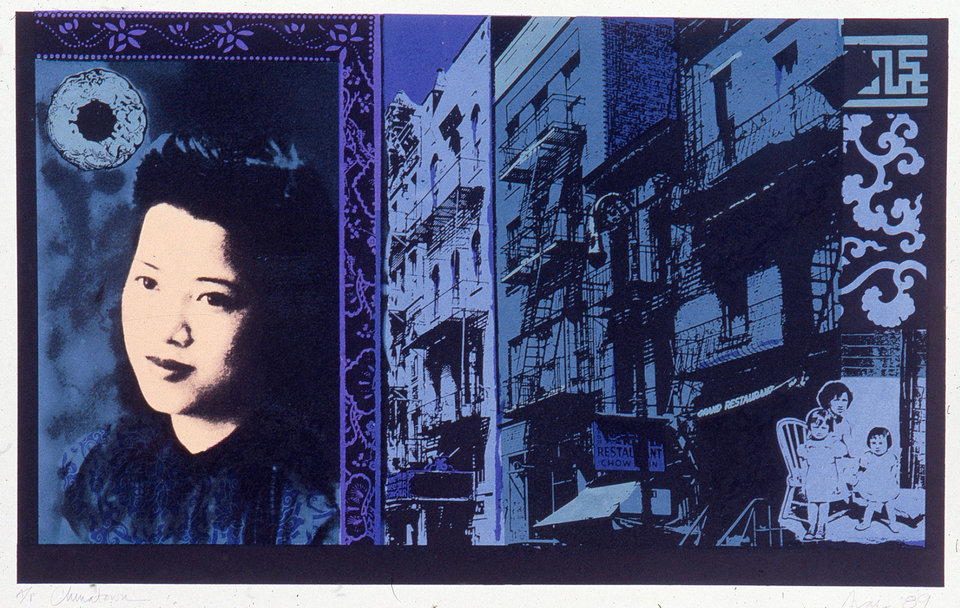
Asian Americans were largely underrepresented in the art world, despite their large contributions to American art. Chinese immigration was made illegal in 1882 via the Chinese Exclusion Act of 1882 and wouldn’t be overturned until the end of WWII. Japanese Americans were put in internment camps during WWII that the US didn’t apologize for until 1988, and wouldn’t deem it unconstitutional until 2018. In the 1960s, the term ‘Asian American’ was coined by activists Yuji Ichioka and Emma Gee. Several art movements following the civil rights movement and Asian American civil rights movement celebrating Asian American identity were born. Legacies: Asian American Art Movements is a collection of Asian American artworks made by artists from countries all over Asia that explored identity, class, and politics of Asian American artists in New York City, from 1961 to 2001. These artists tell stories of resilience and triumph through painting, sculptures and poetry that you can visit at the 80s Gallery in New York.
Hispanic and Latino Community
Latin America is a region along southern North America and South America that speaks Spanish, Portuguese, and/or French. The cultures are widely varying and none of the styles look the same. The Aztecs, an ancient civilization originating in what we now call Mexico, valued art and included it in every aspect of their lives. They made beautiful pieces of golden jewelry and turquoise and also sculptures that combined features of humans and animals for religious purposes. They made masks during ceremonies that represented a god. Art was used for politics, religion, but also entertainment. Out of all of the ancient art styles, Aztec art has to be one of my favorites for its unique shapes and its mix of man, animal, and gods. In the modern day, music and paintings are integral to life in Latin America. You may have heard genres such as Reggaeton, performed by artists such as 2026’s superbowl headliner Bad Bunny or Latin Grammy award winning artist J Balvin. You may also have seen dance styles such as salsa, a mix of Cuban, Puerto Rican, and New York dance cultures, or merengue, which originated in the Dominican Republic.
Inspired by the Chicano civil rights movement, the Chicano Art movement uplifted Mexican- American Artists and allowed them to tell stories of political and social issues they faced. Some of the most important figures to Mexican art during the Chicano art movement was Los Four, a group of four friends (later five) that came together to make art during a time where Mexican artists were still not taken seriously in the art world. Los Four made history by being the first Mexican-American artists to be displayed in an art exhibit, giving more opportunities to other Mexican-American artists out there.
Native American Community
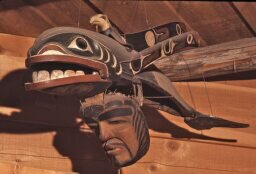
Native American art has been incredibly overlooked in American history despite their extensive contributions to the American art world. You may have seen totem poles, statues with animal themes made by the First Nation of the Pacific Northwest, that are made to display the community’s history, values, and traditions. Masks are made by tons of communities, but maybe you’ve seen masks made by the Navajo orKwakiutl people, worn for spiritual reasons.
In the late 60’s, the American Indian movement fought against the racist treatment of Native American people. You can learn more about the general ideas of the movement here, but one of the main goals of this movement was giving more accurate representation to their culture. Artists, like T.C Cannon who was a member of the Kiowa Indian Tribe, used art to tell Native American stories. You can see more art made by and dedicated to Native Americans at the Muscarelle Museum of Art website linked here. Today Native Americans are still underrecognized in the art world. Poet and author Joy Harjo, member of the Muscogee nation, was the first Native American poet to be named United States Poet Laureate in 2019, after one hundred years of the Poet Laureate program.
Celebrating Artists
Now that you were able to hear about the resilience and the beauty art of community, connection, identity made by artists of color and queer artists, I wanted to highlight some artists that I think are great!
One of my favorite poets who I discovered in 2024 is Aja Monet, a black female poet from Brooklyn that also actively inspires my poetry. Kent Monkman is a Cree artist and I wanted to recognize his art because I liked his use of color, setting, and mood to tell the stories of Native American people. Poet Fatimah Asghar creates stunning and yet relatable pieces of work about the experience of being a young woman of color that I loved and connected with.
I discovered the song Only One (more specifically the ghetto mix) by Sterling Cupid on Instagram and could not stop listening. They are a queer and black musician who recently released their debut album in 2025. It’s great and I encourage you to check it out! Another black musician I wanted to highlight is pop sensation Natanya, who makes absolutely beautiful songs and I see getting really big in the future.
Movies I encourage you to see this Spring are You, Me, & Tuscany, a black romcom starring Halle Bailey and Regé-Jean Page in theaters April 10th. I’m also super excited for Is God Is, a thriller about revenge, anger, and redemption focusing on two black sisters played by Kara Young and Mallori Johnson who wish to take revenge against their father. This comes out on May 15th. Another film I’m really anticipating is I Love Boosters releasing in theaters on May 22nd, featuring Keke Palmer, Naomi Ackie, Taylour Paige, Poppy Liu, Eiza González, LaKeith Stanfield, Will Poulter, Don Cheadle, and Demi Moore, a comedy movie about shoplifters who make their new target a fashion maven. And lastly, super excited to watch Girls Like Girls directed by musician and actor Hayley Kiyoko, about a teenage girl named Coley who crushes on another girl, Sonya, who already has a boyfriend and includes themes of romance and sadness. It releases on June 19th and I’m so eager to watch it!
All of these artists and movies are incredible yet don’t get the recognition they deserve. I hope after reading this article that you feel inspired to look into these artists, read their poetry, look at their artwork, listen to their music, and watch their movies/shows


Other Articles
Art and Art Online
Social Challenges with Teens