

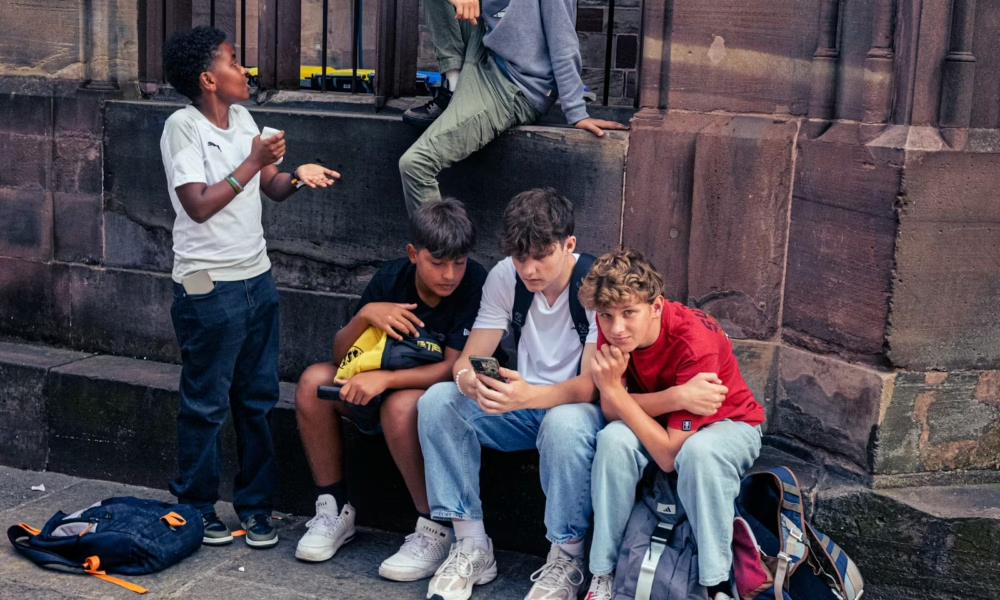
Have you ever wondered what it’s like growing up in a world that is constantly changing as a teenager? As a teen myself, I feel like I can speak up for many of us who go through these experiences. Things are changing very quickly, and those changes can have a major impact on our lives. Today, I want to talk about some of the social challenges teens face and explain how they affect us.
Mental health Challenges
Many teens struggle with issues like anxiety, depression, and stress. These challenges can come from different sources, but they are often caused by school pressure, social expectations, and personal problems. As a result, it can be difficult for teens to focus on and enjoy everyday activities. Data also shows that teen mental health issues have been increasing in recent years, and if this trend continues, the numbers will keep rising. For example, when someone is depressed, they may have a harder time completing tasks, feel off most of the time, or procrastinate. This can create problems in daily life, as responsibilities are pushed aside and may never get done.
Social Media Pressure and Bullying
Many teens today are very familiar with social media. It helps them stay connected in a way but can be very harsh on some teens. Teens can feel pressured into doing things they thought they would never do. As you know your brain isn’t fully developed and you can make decisions that you regret later in life. When this happens, especially after feeling depressed, receiving approval from others can trigger the brain to release dopamine, a chemical linked to reward and pleasure. Also teens are more likely to like something that already has lots of likes because others like it and they want to fit in and not feel left out or feel different for not liking what others like. This is also another sign of pure pressure.
Fear of Missing Out(FOMO)
Today when teens see their peers hanging out, or see friends post about events and other things it can make them feel left out. FOMO (Fear Of Missing Out) can lead to stress, anxiety, or feeling like they don’t belong. This can lead to constant comparison with others. Over time it starts to affect teens’ sense of belonging and self-esteem, making them feel like they need to do better or like they are never included or valued. For example, seeing a friend’s story with pictures of a party you weren’t invited to makes them feel upset. Social media is constantly updating with more things to feel FOMO about. This feeling can pressure them to always check their phones or try to be involved in everything their friends are involved in that distracts from real life responsibilities like school, and sleep.
Identity and Self-Esteem
During your teen years, you start to figure out who you are as a person—what you like doing and just being yourself. During this stage of change, other people’s opinions can sometimes affect you, especially friends. You might want to change who you are because of their opinions or what they think. Social media can also have a big influence on this because you are constantly surrounded by what others think. You are often exposed to images of “perfect” lives and lifestyles that may not even fit who you are or what you actually like. For example, you might have a friend who starts dressing a certain way, using new slang, or copying things they see famous people doing online because they think it will make them more liked. Over time, you may start feeling pressure to keep doing these things, and if you don’t, you might feel unaccepted or disliked. Social media isn’t all bad, though, because it can introduce teens to new experiences and ideas that can help them understand who they are and be their own person.
Loneliness
Even though teens are more connected than ever through social media and being online, many still feel like they don’t have anyone and can experience loneliness. Social media can be compared to a mirror—if you look at it for too long, it can change how you feel about yourself. It may start to make you feel alone or even depressed. While it can help teens connect, many become overly attached to it. Online communication can sometimes replace real-life conversations and interactions, which can make it harder to build deeper relationships with friends. Also, constantly seeing others communicating online can make some teens feel disconnected, even when they are not. For example, you might spend hours talking to friends online but still feel like you don’t have anyone you can truly talk to. By “truly talk to,” I mean someone you fully trust, where you don’t feel the need to hold back your thoughts or emotions. Not having the ability to talk openly can lead to feelings of emptiness, loneliness, and being misunderstood.
In conclusion, being a teen today can be really hard sometimes. There are a lot of challenges like mental health struggles, social media pressure, FOMO, figuring out who you are, and feeling alone. Even if it doesn’t always look like teens are struggling, lots of teens today are struggling with these everyday things. It’s important for people to understand what we go through and support each other more. The world is constantly changing, but if we talk about these issues and help one another it can really make life a little easier for everyone. Everyone deserves peace and shouldn’t have to live in pain.