Conspiracy Theories are Taking Over the Internet

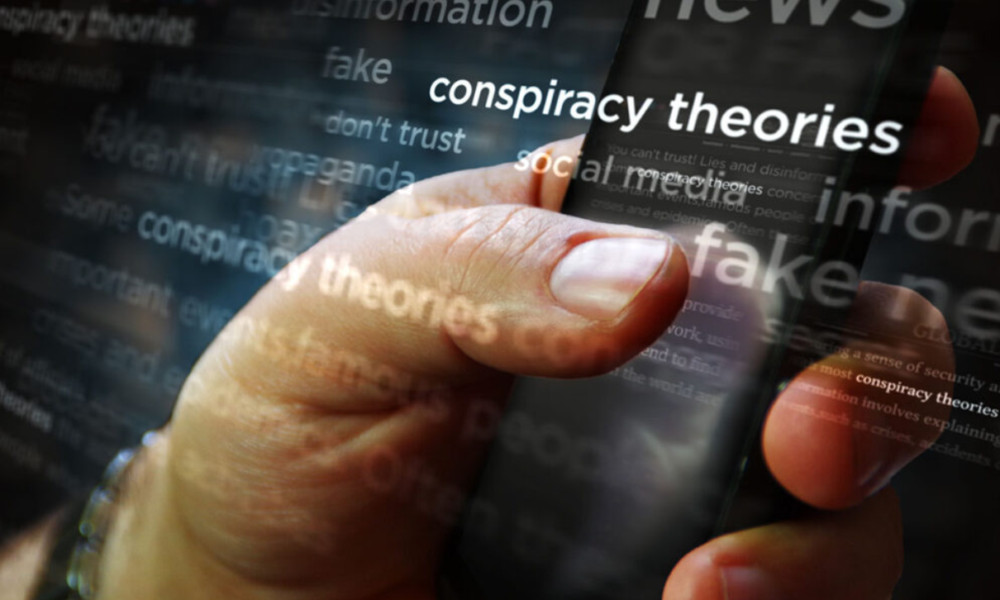
There are numerous conspiracy theories that cover all types of stories, but one theme that can be found within them all is the common denominator of mysterious, fearful, humorous, and creative elements. Because of this, many of these conspiracy theories have gone viral on social media as they appeal to the emotional side of human nature and our desire for the unknown. Some are funny or innocent to some degree, others are harmful or dangerous in that they mislead a large number of people into believing false ideas and create a lack of trust between people. One example of conspiracy theories being dangerous would be that some conspiracy theories encourage people to avoid medical care by claiming that doctors, vaccines, or treatments are part of a ‘hidden agenda.’ When people believe these false ideas, they may refuse important medical help, which can lead to serious health problems, the spread of preventable illness, and increased fear or distrust in healthcare professionals. This shows how misinformation can have real-world consequences and put people at risk. Parents should use discretion when introducing their kids to any type of conspiracy theory. There is a lot of information available on the internet regarding some of the most outrageous or intriguing theories and how they are impacting us today as an online society.
1. Celebrity death conspiracies
Many celebrity deaths spark huge conspiracy theories online. Fans often question official reports and create their own explanations, especially when a celebrity dies young or unexpectedly. Rumors about artists like Aaliyah or Michael Jackson spread quickly because they tap into public emotion and nostalgia. Social media platforms allow these theories to circulate without fact-checking, making them seem more believable. This shows how easily misinformation can grow in fan communities.
“I believe Michael Jackson did … another one I believe faked their death is David Bowie.” Says a post on Reddit. This quote illustrates how some fans view celebrity deaths as suspicious or “not final.”
2. The dead internet theory
The dead internet theory claims that most of the internet’s content is no longer made by real humans. According to the theory, bots now produce posts, comments, and videos to influence opinions or make money. This idea became popular around 2021, when people noticed repetitive or low-effort content online. While there’s no evidence supporting this theory, it reflects real concerns about AI, bots, and digital authenticity. It’s a good example of how modern anxieties turn into conspiracies.
“I’m starting to notice things that feel off… Comments everywhere feel copy-pasted… It feels like the organic ‘human’ side of the internet is disappearing.” Said a Reddit user
3. Birds aren’t real
Birds Aren’t Real is a satirical conspiracy theory that pretends all birds are government drones. Peter McIndoe is the creator of the Birds Aren’t Real movement. According to interviews, he was born in 1998 and grew up in Arkansas. He attended college at the University of Arkansas and started Birds Aren’t Real in 2017 when he was about 19 years old. His goal was to criticize conspiracy culture and show how easily misinformation can spread online when people don’t question sources/websites. McIndoe stayed in character for years to mock how easily misinformation spreads online. Many people followed the movement because it blended humor with commentary about digital culture. Some people actually believed it because McIndoe and his followers stayed in character and used social media, protests, and realistic websites. Some viewers who found him online and not in real life thought it was a genuine conspiracy theory. This confusion helped prove McIndoe’s point about how easily misinformation can spread. Even though it’s fake, it shows how conspiracy theories can be used as social criticism. This theory teaches readers to question what they see online.
4.Covid-19 & 5G
During the pandemic, misinformation spread faster than ever. Some theories falsely claimed that 5G cell towers caused COVID-19 or that vaccines contained microchips. Many dangerous conspiracy theories come from social media platforms. Ideas gained traction because people were afraid and looking for an explanation.
Conspiracy theories continue to take over the internet because they appeal to people’s emotions, curiosity, and fears. From celebrity death conspiracies to modern ideas like the dead internet theory and COVID-19 misinformation, these theories spread quickly through social media and online communities. While some conspiracies are harmless or meant as satire, others can be dangerous and lead to real-world consequences, such as medical distrust and the spread of false information. The popularity of these theories shows the importance of critical thinking, fact-checking, and media literacy in today’s digital society. Understanding how and why conspiracy theories spread can help people make safer and more informed decisions online.


Other Articles

Everything You Need to Know About Owning Cats
Visual Novels: Recommendation List for Gamers