
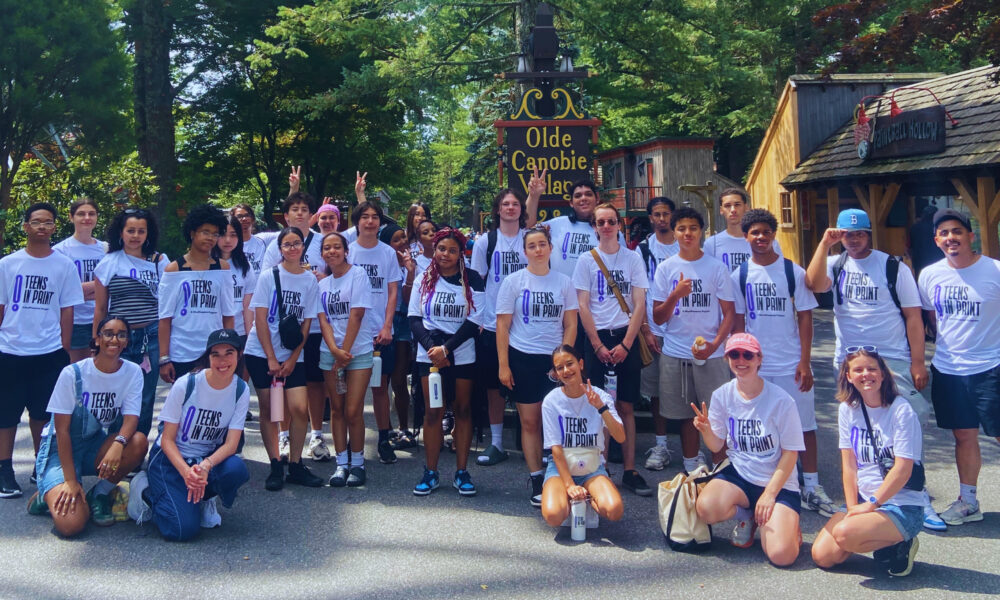
School is out. Splash-pads are on, spraying rainbows above heads of giggling kids. Mangos with tajin and lime juice hit sidewalk stalls. Ice-cream cones drip, drip, drip down sticky fingers. FIFA World Cup fans’ colorful flags multiply down cobblestone streets, as do tours led by men in white wigs and funny suits talking about tea and rebellion. The T is wet, sweating from carrying the weight of so, so many people in its metallic arms. That’s right. Boston summer is here, friends, which also means TiP’s Summer Journalism Institute (SJI) is back!
Hold up, what’s SJI?…
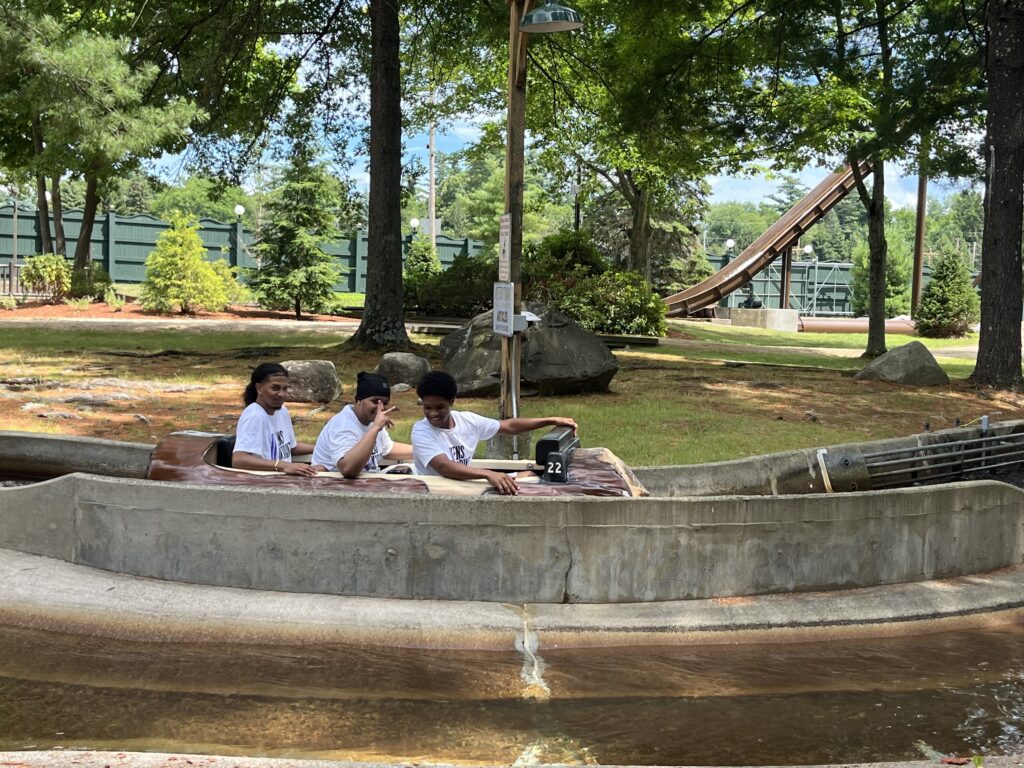
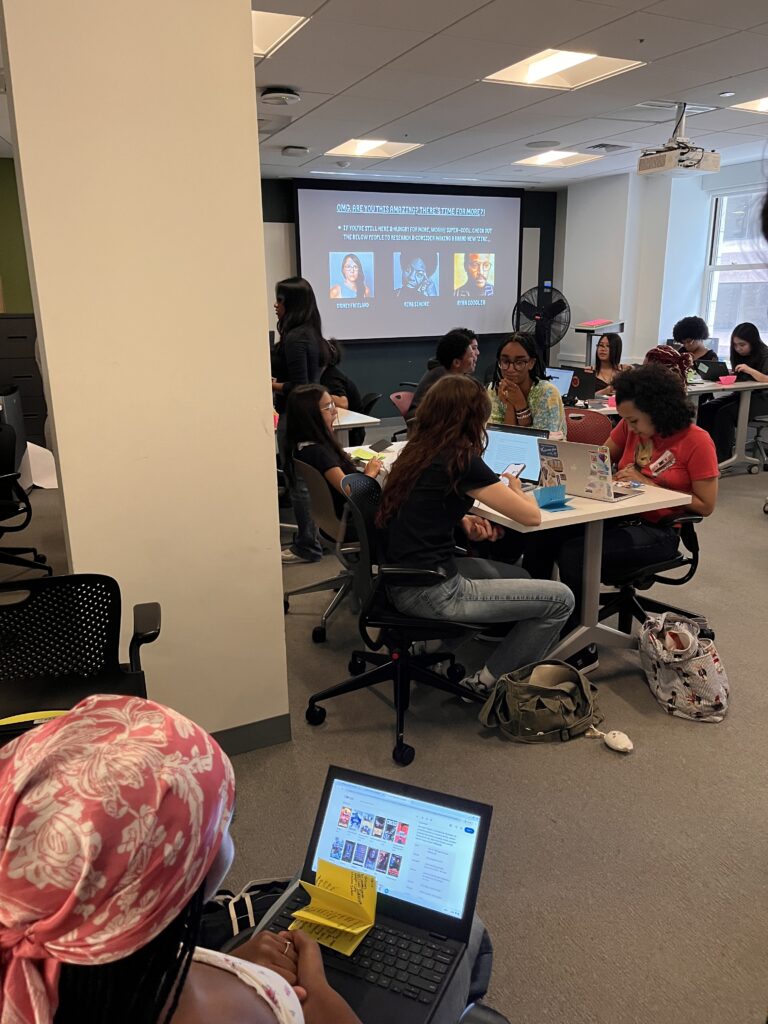
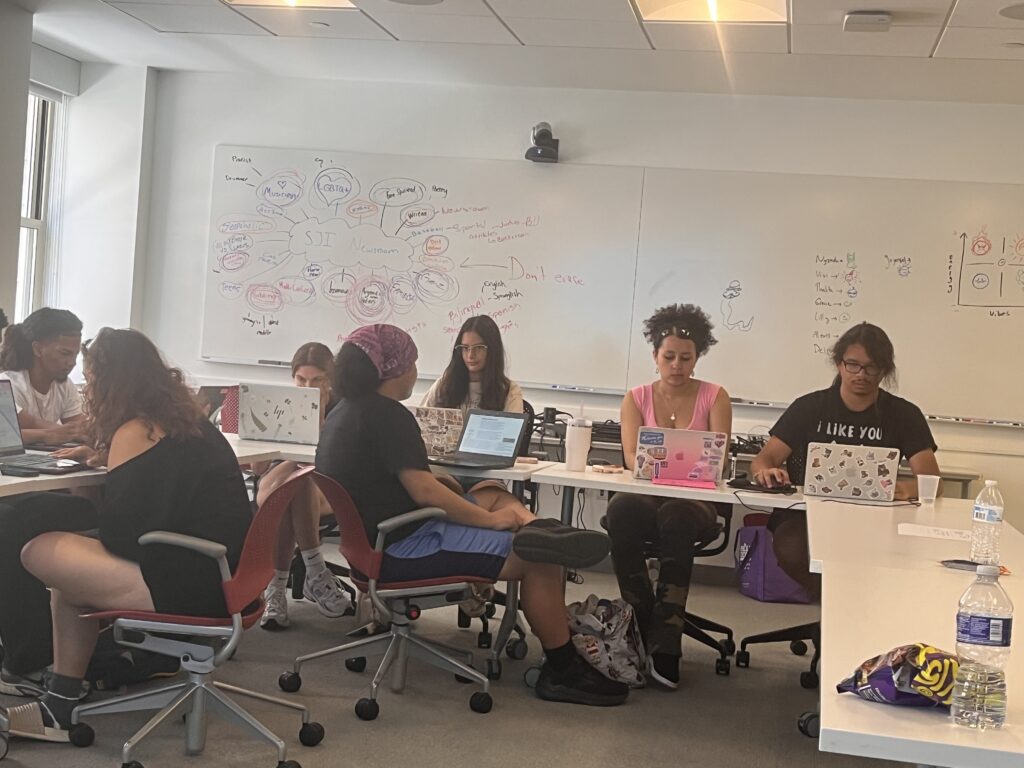
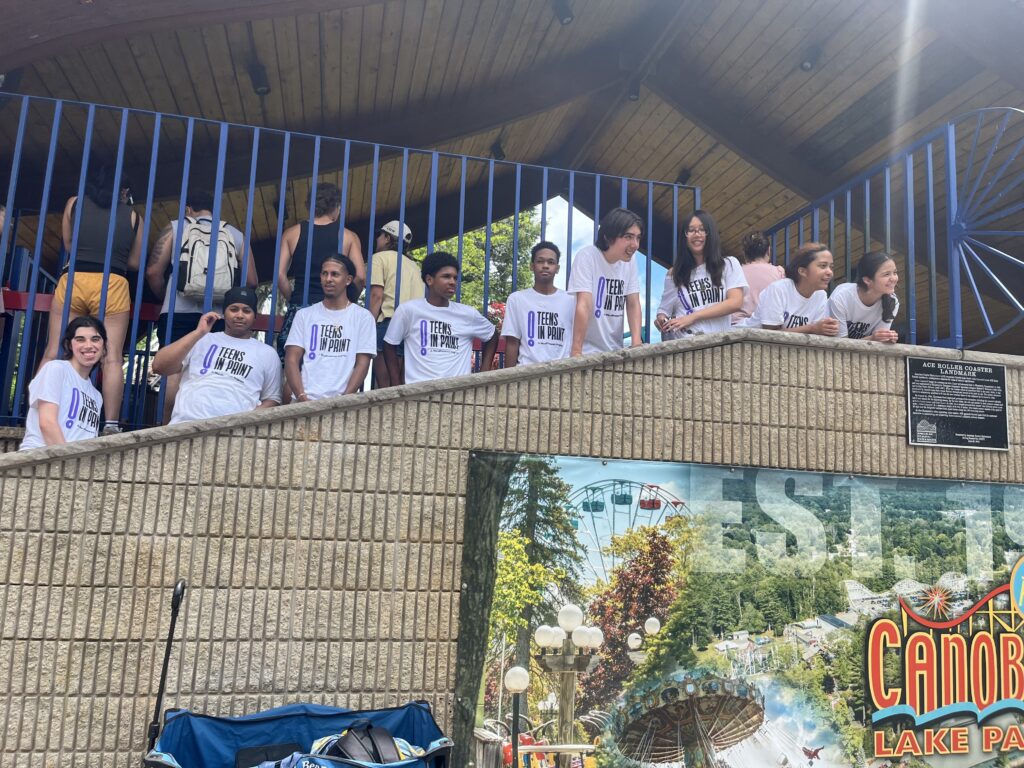
Each SJI, we welcome new and returning faces into our talented crew to spend the summer learning, writing, and creating collaboratively. For six weeks, TiPsters bond, explore, design, and build beautiful works — a magazine full of articles, a podcast episode (or two), a short film, run our Instagram account, and plan a showcase for the public to display their work. Pepper in some on-point outings, roundtable discussions and panels with media professionals, on-your-feet community builders, and plenty of games, and you got a great idea of the kinds of joy, work, and ten-toes-down discovery TiPsters do each year.
This summertime season, we’re exploring the theme of Revolution, in its many forms, and we’re proud to announce our list of newsroom writers and staff writers below, and to share with you who they are in their own words, as recorded by each other in 1:1 interviews.
SJI ’26 Staff Writers
- Abdel Lakhdar
- Adriel Negron
- Angie Tejeda
- Angel Zenelaj
- Ci Ji Liang
- Favian Otano De Leon
- Hazel Hairston
- Isabella Gomes
- Jade Black
- Justin Gomez
- Lucas Rapaport-Liang
- Michael Macneil
- Sophia Salgado
- Tina Mai
- Trinity Jones
- Yosbel Villar
- Mariana Reyes
SJI ’26 Newsroom Writers
- Abdelwahid Ibrahim
- Deiremi Santana
- Gracie Short
- Lilly Manobianco
- Nyzaeh Vasquez
- Alexis Puglisi
- Thalita Almondes
- Vivi Ndwiga
- Yojansel Suazo
What Our TiPsters Are Saying…
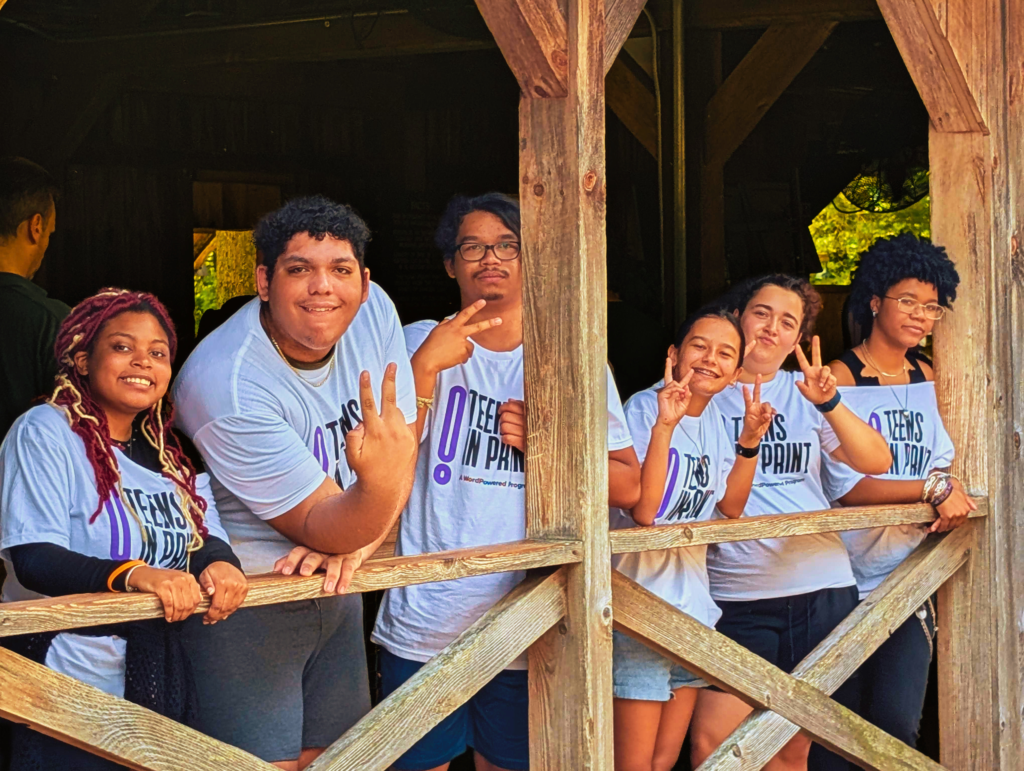
To close out week 1 of SJI, our TiPsters asked each other the following questions: Which community do they feel the strongest connection to? What do they wished people knew about their community? What do people misunderstand about their community?
“I have the strongest connection to sports I play. I play baseball, and I really like the sport, and also basketball. I really like both of the sports, to do something with my body. I wish that people knew if they wanna like to lose fat, they could like practice some sport, so they would do it in a fun way, so not to be like on the gym 24/7. Sometimes, sports can be very dangerous, depending on the sport that you play, and in what way you play. But it’s fun. It’s very fun to play.” – Deiremi Santana
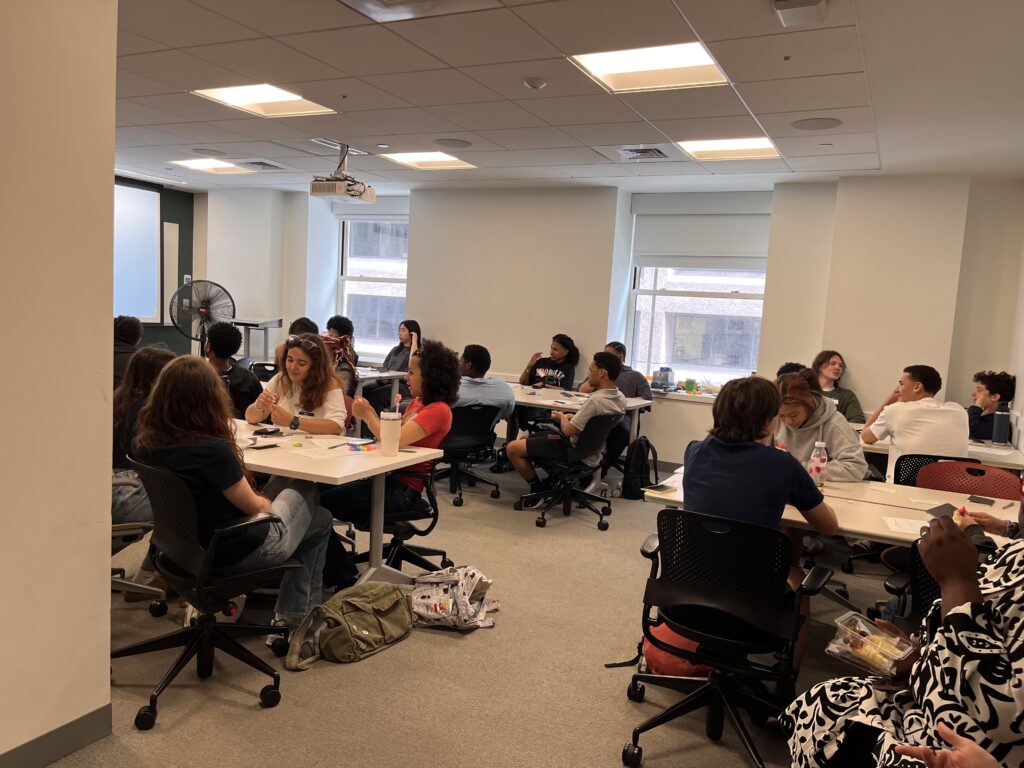
“I feel I am the strongest in my Hispanic community because mainly what I am. I’m Dominican, so I’m like really strong about who I am and what I am. I wish people knew about the amazing food that we have and the dances that we have and the songs that we have because it’s like not underground, quote unquote, but more people should know about it, especially because most people don’t know about bachata or like merengue or anything like that. They think that we’re dangerous when we’re really not. It’s just that people have this view on us because of the way that we act towards like our own people, but that’s just the way like we are, and it’s kind of messed up. But like in the end, it’s like who we are as a community.” – Ange Tejeda
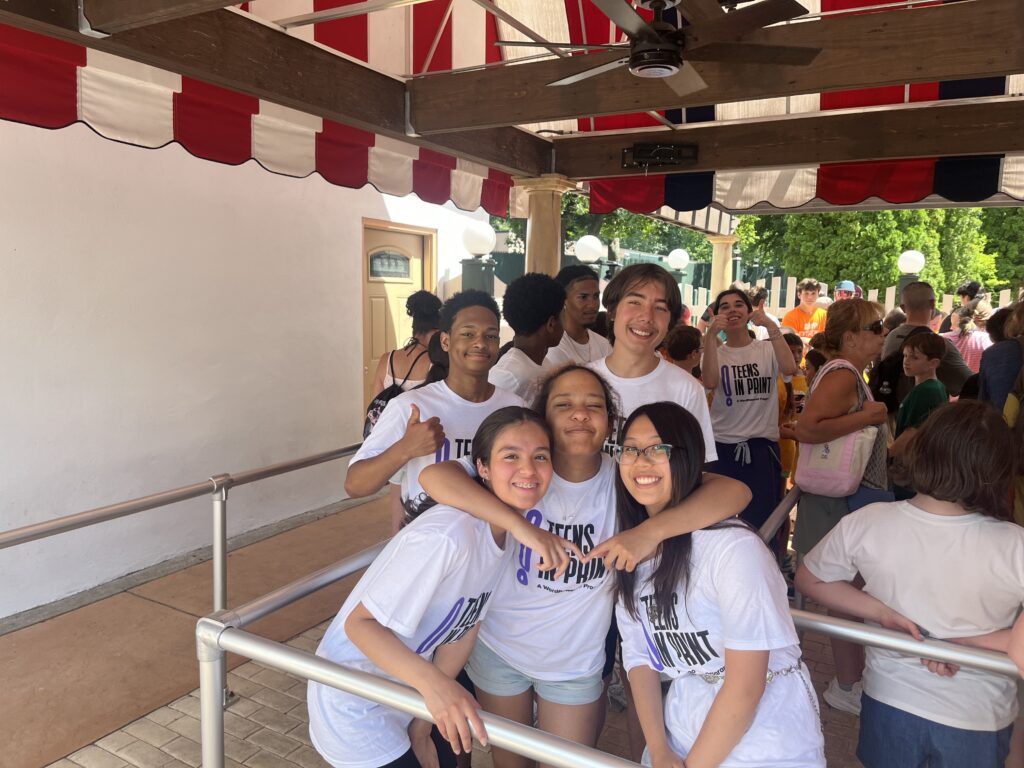
“I feel the strongest connection to my community in the South End because I grew up there and like lived there my whole life. It’s very peaceful. There’s not much noise going on in the neighborhood. It’s a safe place to be. [People think] it’s very violent, and although it could be, that’s not the case all the time.” – Yojansel Suazo
“A community I feel strongly connected to is my neighborhood. I live in Chinatown and I feel the strongest connection [there] because everybody is welcoming and friendly. Sometimes, in the summer, we will host a community event, where there is lots of food and performances we can watch. I wish people knew that my community is very welcoming and friendly and hardworking. Although the asian — and most of the older — generation might come across as stern, I generally believe that they aren’t, once you get to know them. Everybody is really kind and welcoming and willing to help you in whatever way. A misunderstanding… is that there is one type of variety of food, which isn’t true. There are so many different kinds of foods in my community. And even if it’s one single kind of food, there’s different versions that people make of it.” – Tina Mai
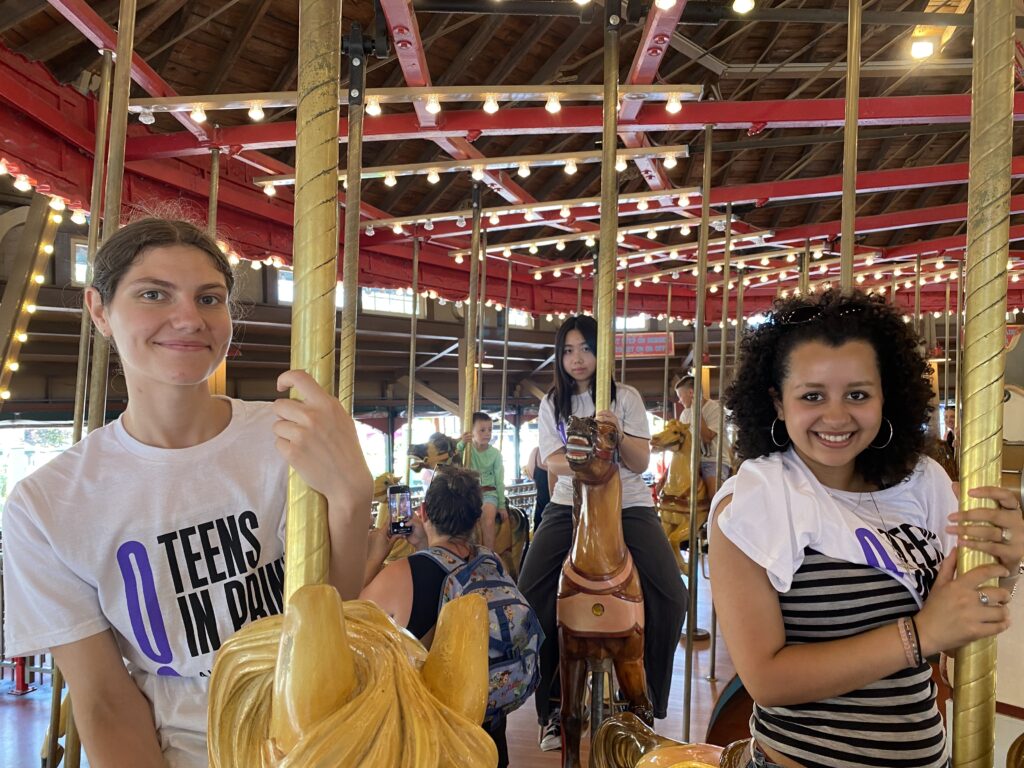
“Right now, the bird-watching community is something I feel closest to because it brings me joy. It’s really fulfilling and it brings a lot of positivity in my life… People think that it’s a hobby for people over the age of 50 but it’s not.” – Gracie Short
“The Latin community, the hispanic people. Freedom.” – Favian Otano De Leon
“I feel really strongly connected to sports communities. I’ve been playing sports all my life. I started with soccer and tennis then I moved to basketball and now I’m doing combat sports. So, I’ve always had a connection to sports, some way some how. I wish people knew more about how the mental health can be in sports because it’s not always sunshine and rainbows with whatever sport you play — it’s definitely something that I want to address because not many people address it. They just say, ‘Ok,’ and move on, and it’s a greater issue than they might think. People usually have the misunderstanding that we can be lazy or look like we’re not working but we are, especially on off days. We are working. We are working mentally, not physically. We work mentally a lot for the sport that we play for because we have to prepare mentally to work physically.” – Lilly Manobianco
“I feel the strongest connection to probably the Brazilian and/or Portuguese-speaking community. I was born in Brazil and I speak Portuguese every day, multiple times per day. I wish people knew that we’re a very tight-knit community, despite how there are Portuguese in making different continents and Brazil being one of the biggest countries. Since we’re very spread apart, people commonly believe that we have insanely different dialects. People believe that that separates us but it doesn’t. It actually brings us closest together, I believe.” – Thalita Almondes
“Probably my identity as an African-American, that’s what I’m most proudful about and what I surround myself with a lot. I think there are so many misconceptions that it’s hard to choose one… I think in the context of education, I think people who are prejudice might assume that a Black person isn’t as intelligent as any other race, which is definitely untrue. So I wish people would take the time to interact with people of all races and understand it’s not okay to be prejudice or have a bias against people who you’ve never met.” – Hazel Hairston
“My school community because that’s really the people I spend the most time with… I do my school’s Model UN club and Debate Club and Math Club. Everyone there is smart. I feel like there’s a lot of people, including myself, who are more average. There are a lot of things that contribute to people going to BLS and it’s not only your proficiency at testing. I’ve heard that people think that BLS is a private school and receives a lot of fun, which is true because there is alumni funding. But anyone can get in there, you just have to apply. Very diverse.” – Lucas Rapaport-Liang
“I feel the biggest connection to the LGBTQ community because that’s where I feel the most accepted and I can be myself more. I’m glad I did find that community because I just thought I was a weird kid. But now I figured out I’m pansexual so I’m like, ‘Oh yeah, that’s good!’ I wish people knew that the LGBTQ community is normal and not full of ‘bad people,’ that are ‘unnatural.’ We’ve been here for thousands of years and it’s only been a problem kind of recently because people are more out about it and accepting. We don’t have much representation as straight people do and sometimes people of religion and when you do speak up on it, they’re like, ‘Oh, you do have this…’ And it’s probably one character in a movie that died off, and it’s not enough.” – Trinity Jones
“The community I feel the strongest connection is the Warrior Cats readers because that’s been my favorite book series for, I think, 10 years. I love every book. All of them. I wish people knew just how good the books are and people look at the cover and the title and they go, ‘Ew..’ I feel like if they picked up the book and read a little of it, they’d be interested.” – Nyzaeh Vasquez
“The athlete community is something I take pretty serious and is deeply involved in my life. There is a lot of hard work that goes into it. There’s a lot of effort while balancing school work and athletes are overlooked there as well. Every day management — going home to your family after practicing and going home to do more work, just to get up early in the morning and do it all over again.” – Michael Macneil
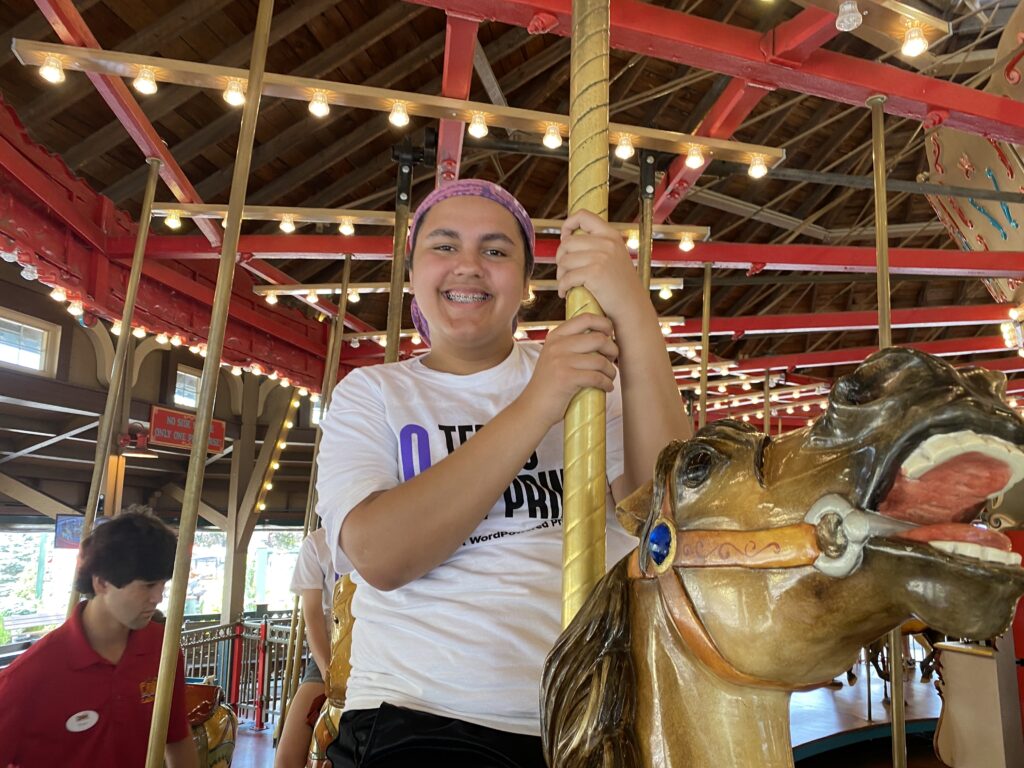
“I’ve been gaming for my entire life. Not every thing is bad. Everyone always sees it in a negative light but it depends who you surround yourself with… if you surround yourself with negative people, you’re not gonna have a fun time. But if you surround yourself with positive people, you’re gonna have a better time. You don’t have to be so secluded playing online games — they can know your first name, they don’t need to know where you live. I’ve been friends with these people for 7-8 years now. We know what we look like because we grew up together. You shouldn’t share your personal information but you shouldn’t be afraid to make friends either.” – Alexis Puglisi
To stay up to date with our TiPsters’ work throughout SJI ’26, subscribe to our org’s newsletter.