How the Scroll Is Shaping Your Life

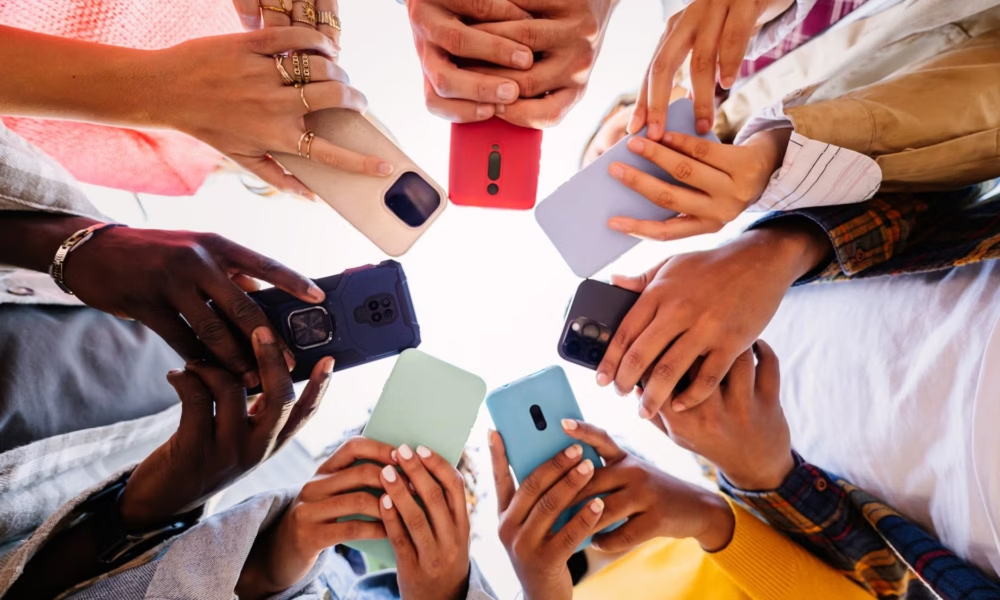
A viral video. A news story. A product ad. A meme. All in under 60 seconds and somehow, none of it was really our choice. Social media has become a constant presence in everyday life, shaping how we communicate, what we buy, and even how we understand the world. Today, the average American adult spends over seven hours a day on screens, with a global daily screen time averaging roughly 6 hours and 58 minutes. If continued, this could be 23 years of your life wasted staring at a glowing rectangle, which could be 30% of your entire life. With all this time on screens, it sparks a question: What exactly are we giving our attention? During COVID-19, the interest in social media rose significantly, since many were locked inside their houses. But even after the world was reopened, social media became a habit. It continued to change too, shifting from a text and photo networking tool to an immersive, algorithm driven, and video first entertainment ecosystem. With these highly adaptive algorithms and high screentime, are these digital platforms controlling us?
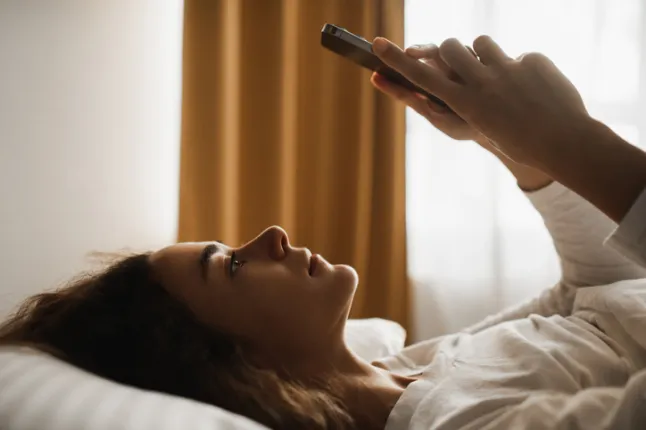
What is the first thing you do when you wake up? Drink a glass of water? Stretch? Or look at your phone? A study by Sleepopolis found that, “Two in three people spend the majority of their nights and mornings viewing a screen before falling asleep and while waking up.” After waking up, everyone is driven by a natural morning surge in stress hormones, known as Cortisol Awakening Response. This state is known as sleep inertia where people are in a temporary, transitional state of grogginess, impaired performance, and reduced alertness immediately upon waking, often causing a “weaker” mental state for 15–60 minutes. During this weakened mental state, immediately engaging with a phone can overwhelm the brain with information. This can increase stress levels and reduce the ability to think clearly. Instead of easing into the day, individuals are forced into instant stimulation, which can negatively impact focus, mood, and overall productivity for the rest of the day.
What exactly are you consuming on your phone? Most of the time the content you see online isn’t really your choice, but the calculations of invisible systems. Online, algorithms can decide the entire trajectory of what you see. Algorithms work by analyzing user data like clicks, shares, watch time, and comment, to predict what content a user will enjoy, prioritizing posts that trigger emotional reactions or high interaction. This raises a bigger concern: if algorithms are constantly guiding what we see, think, and engage with, then our sense of choice online may be more limited than we realize. Over time, this doesn’t just reflect your interests but it begins to shape them. It influences what you pay attention to and how you think. Because these platforms are designed to keep users engaged for as long as possible, the content you see is often chosen not for its accuracy or value, but for its ability to hold your attention.
What you watch doesn’t just entertain you; it quietly markets you. Watch a cat video, and suddenly there’s an ad for cat toys. Scroll past a “get ready with me,” and a skincare product appears. Even a basketball clip can lead to ads for sport gears. But sometimes, you can’t even tell if what you’re watching is an ad or not. Brands pay creators to subtly include product mention. At first it might seem like a usual cooking recipe, but the creator mentions the brand of the equipment a bit too often and there’s also the brand name in the frame. The brand has successfully got your attention and it may influence your future spending decisions. Later when you need a new blender, that brand is the first thing you remember and the one you end up searching for. Over time, this kind of exposure doesn’t just influence what you buy; it can make you feel like you need something you weren’t even thinking about before.

Algorithms not only decide what we see but also what we don’t get to see. Nicholas Barret from BBC highlights how the value of social media content depends on the algorithm not how accurate it is. In addition, 31% of adults under 30 say they turn to social media first to get more information about breaking new events. The algorithm depends entirely on you, it’s a personalized feed made just for you, watching your every click, hover time, like, and post. It continues to show you videos that are most likely to keep you stuck on the platform based on your data. They quietly filter out perspectives that don’t match our past behavior, creating a personalized bubble. Over time, this can distort reality. News that is emotional or extreme spreads faster, regardless of accuracy. Making it harder to tell what’s true or what’s simply designed to grab attention.
It’s time to recognize the signs and take back control. When hours of your day disappear into endless scrolling, it’s not just harmless entertainment, it’s time taken from your life. Governments have even attempted to regulate or ban certain platforms, showing just how powerful and influential they’ve become, yet those efforts have often been unsuccessful. However, many of us have already taken action, as seen in the latest trial (K.G.M. v. Meta & YouTube) where the plaintiff 20 year old K.G.M claimed that addictive platform designs (infinite scroll, algorithms) caused her severe mental health issues starting in childhood. The jury ordered over $6 million in damages, setting a major legal precedent. The reality is that these platforms are designed to keep you hooked, not informed. Being aware of how they operate is the first step to using them more intentionally, instead of letting them control your time, attention, and decisions.