Teens in Print
  • About Us
    • About Teens in Print
    • Meet the Staff
  • Browse Writing
    • By Topic
      • Cultural Criticism
      • Life During COVID-19
      • School and Career
      • Arts, Entertainment & Food
      • Science, Health & Technology
      • National and Global Issues
      • Local Issues
    • By Genre
      • Reviews & Listicles
      • Creative Writing
      • Opinion Writing
      • News
      • Personal Essays
      • Advocacy Letters
      • Multimedia
    • By Author
      • Cimmaron Holman Jr.
      • Ella Verinder
      • Gloria Ekechukwu
      • Graham Martin-Wilson
      • Isaiah Roseau
      • Ketura Joseph
      • Lily Castello
      • Shaniece Clarke
      • More authors
  • For Teachers
  • Get Involved
    • Join Teens in Print
    • Collaborate
    • Volunteer
    • Contact Us
Teens in Print

Type and hit Enter to search

Teens in Print
  • About Us
    • About Teens in Print

    We’re a writing program for Boston students. Learn about our approach and what we offer.

    • Meet The Staff
    Get to know the writing mentors behind Teens in Print.
  • Browse Writing
    • By Topic
    • Cultural Criticism
    • Life During COVID-19
    • School and Career
    • Arts, Entertainment & Food
    • Science, Health & Technology
    • National and Global Issues
    • Local Issues
    • By Genre
    • Reviews & Listicles
    • Creative Writing
    • Opinion Writing
    • News
    • Personal Essays
    • Advocacy Letters
    • Multimedia
    • Teens in Print Magazine
    • By Author
    • Cimmaron Holman Jr.
    • Ella Verinder
    • Gloria Ekechukwu
    • Graham Martin-Wilson
    • Isaiah Roseau
    • Ketura Joseph
    • Lily Castello
    • Shaniece Clarke
    • More authors
  • For Teachers
    • Use TiP in your classroom

    Model skills or genres using mentor texts by students.

  • Get Involved
    • Join Teens in Print

    We’re always looking for new voices. Boston students from grades 8 – 12 are welcome to apply.

    • Collaborate
    We offer workshops for educators and community organizations. Drop us a line to partner with Teens in Print.
    • Volunteer
    Lend your expertise to Teens in Print as an editor, writing mentor, guest speaker, or more.
    • Contact Us
    Reach out to Teens in Print.

Type and hit Enter to search

Teens in Print
  • About Us
    • About Teens in Print

    We’re a writing program for Boston students. Learn about our approach and what we offer.

    • Meet The Staff
    Get to know the writing mentors behind Teens in Print.
  • Browse Writing
    • By Topic
    • Cultural Criticism
    • Life During COVID-19
    • School and Career
    • Arts, Entertainment & Food
    • Science, Health & Technology
    • National and Global Issues
    • Local Issues
    • By Genre
    • Reviews & Listicles
    • Creative Writing
    • Opinion Writing
    • News
    • Personal Essays
    • Advocacy Letters
    • Multimedia
    • Teens in Print Magazine
    • By Author
    • Cimmaron Holman Jr.
    • Ella Verinder
    • Gloria Ekechukwu
    • Graham Martin-Wilson
    • Isaiah Roseau
    • Ketura Joseph
    • Lily Castello
    • Shaniece Clarke
    • More authors
  • For Teachers
    • Use TiP in your classroom

    Model skills or genres using mentor texts by students.

  • Get Involved
    • Join Teens in Print

    We’re always looking for new voices. Boston students from grades 8 – 12 are welcome to apply.

    • Collaborate
    We offer workshops for educators and community organizations. Drop us a line to partner with Teens in Print.
    • Volunteer
    Lend your expertise to Teens in Print as an editor, writing mentor, guest speaker, or more.
    • Contact Us
    Reach out to Teens in Print.
CultureOpinion Writing

The ‘Wicked’ Uncomfortable Conversation: How Do We Talk About Weight Loss?

Vivi Ndwiga
January 21, 2026 4 Mins Read
59 Views
0 Comments

Wicked: For Good is one of 2025’s biggest movies, grossing over $400 million in the global box office, as stated by IMDb. Press tours, red carpets, and interviews are customary with large cinema releases; however, the popular sequel is drawing in some negative attention as well. The media pounced on the appearances of starring actresses Ariana Grande and Cynthia Erivo, with judgmental headlines speculating on their “odd relationship” and the Very Thin Elephant in the Room.

But when do comments of concern become attacks on body image? When do satirical remarks on friendship become hateful? How does social media often have a poor response to delicate subjects?

L to R: Cynthia Erivo as Elphaba, Ariana Grande as Glinda, Jonathan Bailey as Prince Fiyero, Michelle Yeoh as Madame Morrible, & Jeff Goldblum as the Wizard

In 2025, skinny is in — making conversations surrounding weight loss harmful and dangerous. Wicked is specifically marketed towards young, pre-teen girls, with Glinda (Ariana Grande) and Elphaba (Cynthia Erivo) themed water bottles, dolls, and makeup on shelves in every store. It’s damaging for young developing minds to only see a certain body type represented in film, and the desire to look like your favorite celebrity can lead to mental health issues and unhealthy eating habits.

We as a society should acknowledge that glorifying skinniness in media directed towards young girls is hazardous for their body image. Given the rise of dieting drugs such as ozempic, which are reported to be prescribed to 6% of Americans, it would be neglectful to ignore Grande and Erivo’s weight loss, not to mention the fact that the body positivity surge of the 2010s is being somewhat dialed back in favor of thinner models.

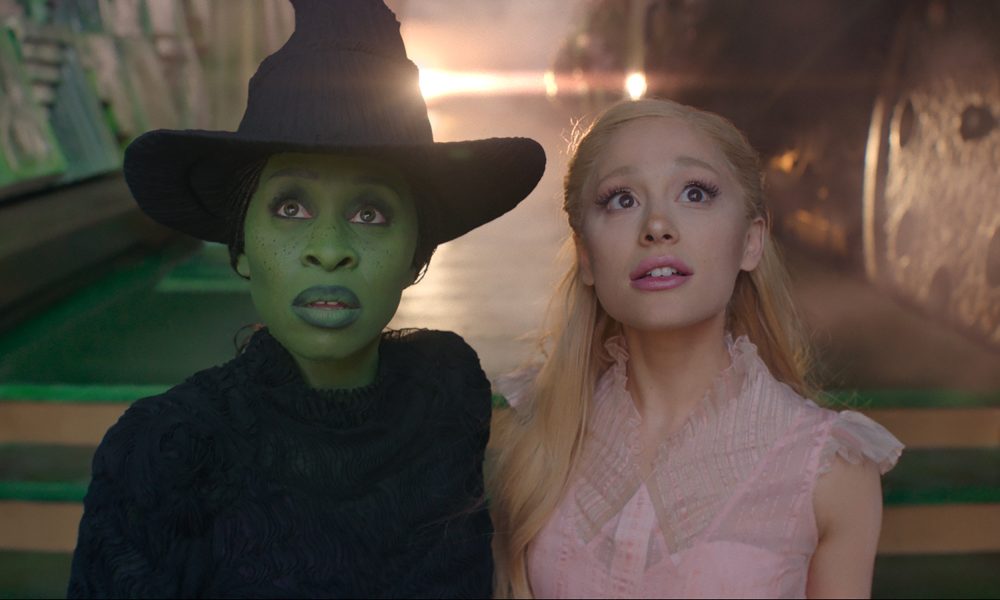
Cynthia Erivo as Elphaba in WICKED: For Good

However, one might start to question the motivation of posts on the internet regarding the health of Grande and Erivo. Content creators and viewers scrutinize their bodies and compare the two women to skeletons, along with jokes about their supposed eating habits. The people who convey these opinions online with disgusting associations and satirical statements aren’t seeking to help individuals struggling with eating disorders or express concern for Grande and Erivo. They are simply trying to produce content that will attract attention.

In a previous interview with Erivo and Grande during Wicked’s first press tour, Grande was asked to address the comments people were making on her appearance. “In today’s society, there’s a comfortability that we shouldn’t have at all, commenting on others’ looks, appearance …I think is really dangerous,” she said.
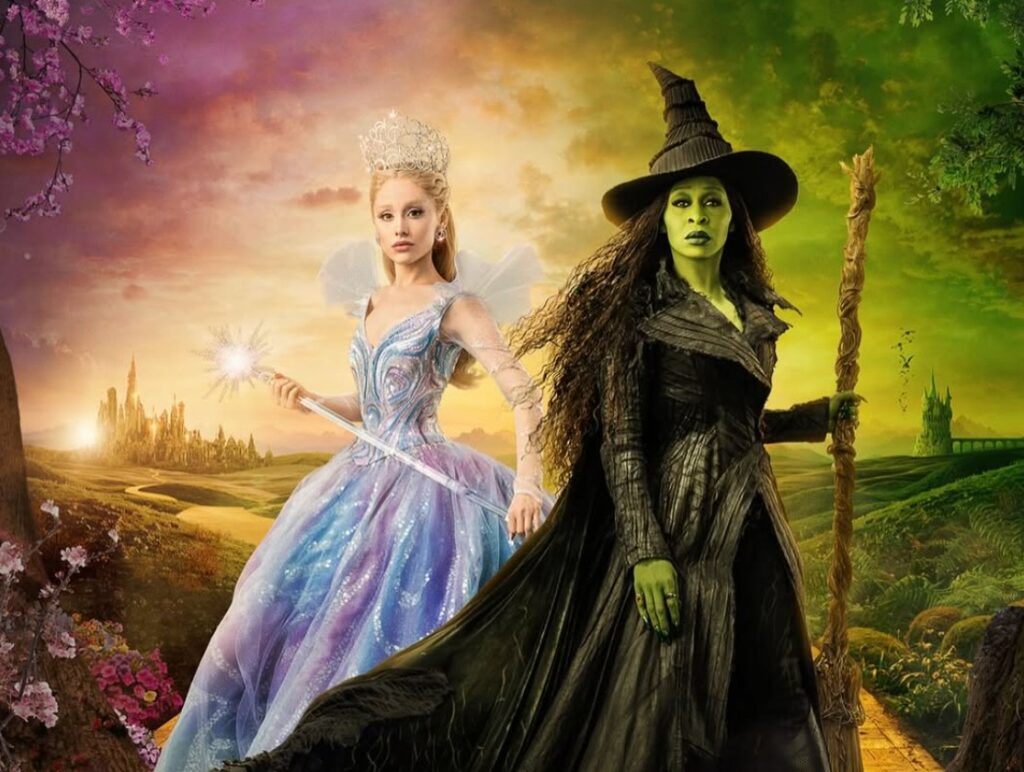
L to R: Ariana Grande is Glinda & Cynthia Erivo is Elphaba in WICKED: For Good

In addition to content about the actresses’ weight loss, memes of Erivo circulated after an incident involving a fan grabbing hold of Grande at Singapore’s Wicked: For Good movie premiere. In the heat of the moment, Erivo pushed a fan away in an attempt to shield her co-star, and instead of recognizing Erivo’s selflessness for the wellbeing of her friend, the internet painted her as “aggressive” and possessive of Grande. A particular image portrayed Erivo as a large muscular figure, while Grande is drawn as a frail child. All of these memes are solely for entertainment, and they come at the cost of casually stereotyping a black woman as violent in the pursuit of comedy.

So many videos and articles from pop culture websites capitalize on bringing comedy into serious and sensitive conversations, and this seems to be why the media is at a crossroads when it comes to covering triggering topics. The standards that society holds for women are also a large part of the reason why people feel so comfortable commenting on their appearance.

L to R: Cynthia Erivo is Elphaba & Ariana Grande is Glinda in WICKED

It’s become clear that the newly adapted way to talk about celebrity news is through a comedic lens, and that’s one of the biggest issues. A large sum of users on social media are Gen Z, and it seems with our generation especially, humor is used as a coping mechanism for negative things we may encounter on the internet. Every time an emotional moment or a serious issue becomes a meme, internet users claim “it’s not that deep.”  But the inconsiderate approach of speaking on weight loss or weight gain creates body image issues for adolescents constantly on social media. A study conducted by The University of London found that increased social media usage is directly related to body dissatisfaction.

The unserious energy that is being brought into discussions about Grande and Erivo’s relationship and weight loss is just one example of how using comedy in serious or emotional conversations on the internet can cause harm to those who view this content. To  improve social media user’s mental health, content creators who speak freely about the appearance of others should handle these conversations with care, by making sure the voices of those individuals are heard, and acknowledging the nuances in these discussions.


Print Friendly, PDF & Email

Share Article

Read more by this author Written By

Vivi Ndwiga

Next
January 21, 2026

Food Stamps Funding Loss Threatens Families Across Massachusetts

Previous
January 9, 2026

MYC’s Town Halls Give a Voice to Boston Youth This January

You might also like

REVIEW: Boston Ballet’s Dazzling Take on Jewels

Blain Melaku
January 28, 2026
A computer screen with the word tiktok on it. Photo courtesy of Solen Feyissa on Unsplash.

Why Online Communities Become Harmful, Viral Places

Alexis Puglisi
January 27, 2026

The Louvre Heist or the Isabella Stewart Gardner Robbery – Which One Is More Remarkable?

Fiona McCarthy
December 17, 2025

Bad Guys 2 movie review: A sequel that holds its own

Lillien R. Manobianco
August 11, 2025

Subscribe to our newsletter and get student writing delivered to your inbox.

Sign me up
Teens in Print
We’re a writing program and publication for Boston students.

2025 © Teens in Print All rights reserved.

Quick Links

  • Home
  • About Us
  • Browse Articles
  • Join Teens in Print
  • Contact Us
  • About our parent organization, WordPowered
  • Terms & Conditions
  • Privacy Policy

Keep up with TiP

Instagram Youtube