
This article was translated to English by Albin Casilla.
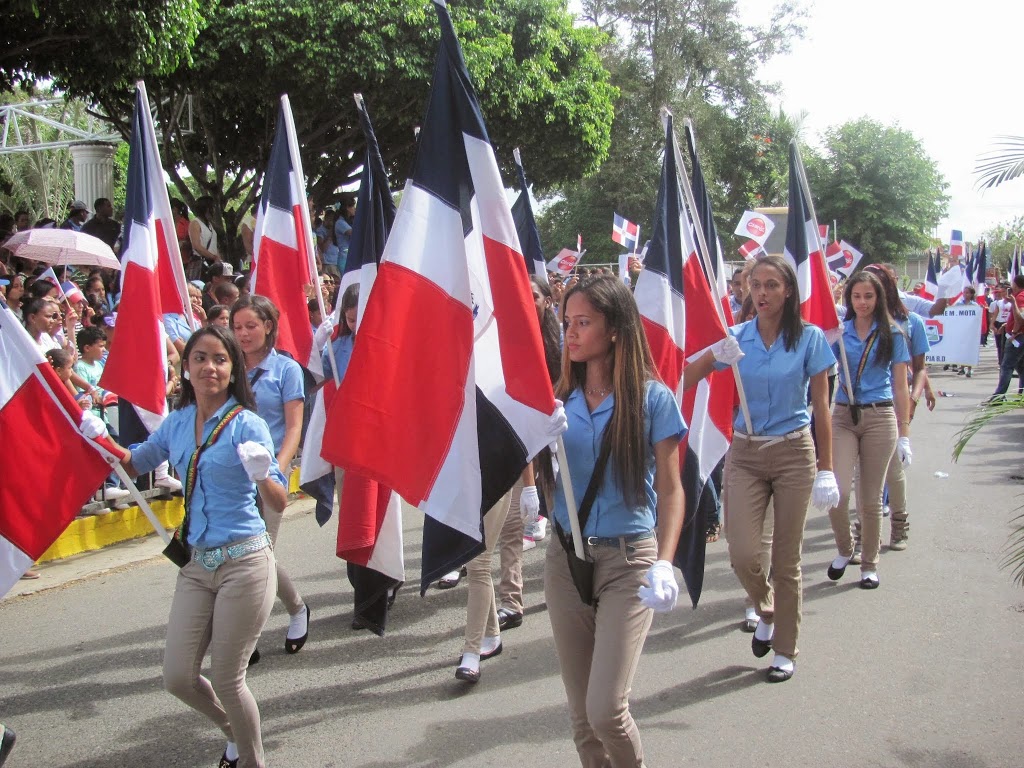
The Dominican Republic is a country located in the Caribbean, on the island of Hispaniola, which it shares with Haiti. It is known for its beautiful beaches, tropical climate, music, friendly people, and rich culture. Dominican identity has been shaped by a blend of three major influences: the indigenous Taino, Spanish, and African. This combination has given rise to traditions, customs, and distinctive features in the language and cuisine. Both the language and the food are a source of pride for the Dominican people and are fundamental to preserving their history and passing it down from generation to generation. The cost of living—people’s daily expenses—affects us, especially given that some people are unemployed. Dominicans are making various efforts to improve their country and build a better future. Many people work every day in areas such as education, health, the economy, environmental protection, and community development.
I think it’s important to learn about the history of the Taínos because they are part of the Dominican Republic’s roots. I also believe that Dominicans work every day to improve and preserve their culture. The Taínos, an indigenous people belonging to the Arawak family, inhabited the island of Hispaniola before the Spanish arrived in 1492—where the Dominican Republic and Haiti are located today. Their major crop was cassava, from which they made casabe, bread that is still part of Dominican cuisine; they also grew corn, sweet potatoes, and chili peppers, as well as yautía, peanuts, and cotton. In addition, they fished and hunted small animals. They crafted items from stone, wood, and shells, wove cotton, and traded goods among communities. The Taínos were polytheists: they worshipped various deities and ancestors. They held ceremonies called areitos, where they sang, danced, and passed down their history and traditions. The Taínos also produced pottery, made stone and wood carvings, and constructed canoes for traveling between Caribbean islands. Colonization led to a sharp decline in the Taíno population because of diseases brought from Europe, forced labor, and conflicts. Although the Taíno population decreased dramatically, their legacy lives on in Dominican culture; many words come from the Taíno language, including hamaca, canoa, barbacoa, tabaco, huracán, and batata.
The official language of the Dominican Republic is Spanish. However, Dominican Spanish has characteristics that distinguish it from Spanish spoken in other countries. Dominicans tend to speak quickly and use expressions and pronunciations that are part of the cultural identity. Often, the letter “s” appears at the end of words, especially in informal conversations. In addition, it is common to hear words and expressions unique to Dominican speech, such as “vaina,” which refers to almost any object or situation, and “chevere,” which means something pleasant or good. These expressions are part of everyday language and reflect the creativity and spontaneity of Dominicans. The language also preserves numerous Taíno words, including those previously mentioned, which were later adopted by other languages around the world. This detail demonstrates the influence that indigenous culture continues to have on the national identity.
This legacy shows that, although the Taíno culture largely disappeared after colonization, its influence remains present in the country’s daily life. Experts point out that language is much more than a means of communication. It also represents a way to preserve a nation’s history, customs, and identity. For this reason, schools and families teach younger generations the value of traditional expressions and Dominican cultural heritage. The Taínos were not a place but an indigenous community that inhabited several Caribbean islands, especially Hispaniola (now the Dominican Republic and Haiti), before the Spanish arrived.
Music also plays an essential role in Dominican culture. Genres such as merengue and bachata represent the country on the international stage and are considered national symbols. These musical forms not only entertain but also tell stories, convey emotions, and strengthen citizens’ sense of belonging. At any family celebration, patron saint festival, or cultural event, music takes center stage.
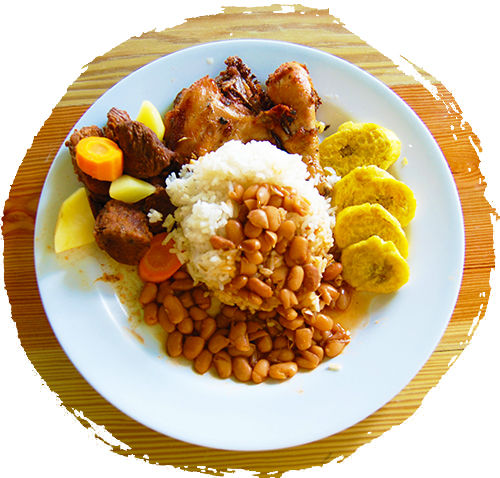
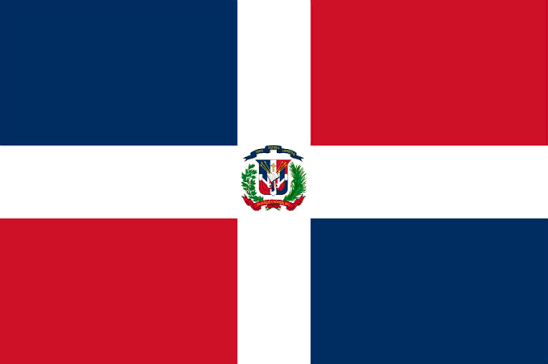
However, one of the most representative aspects of Dominican culture is its cuisine. The national cuisine reflects the blend of Indigenous, Spanish, and African influences that gave rise to a wide variety of traditional dishes. Among the most popular meals is the “bandera dominicana,” considered the country’s typical lunch. This dish consists of white rice, stewed beans, meat, and salad, and is prepared daily in thousands of Dominican homes; its name symbolizes national pride and the importance of food in the people’s identity. Another very popular dish is “mangu,” made with boiled and mashed green plantains. It is traditionally served for breakfast accompanied by fried cheese, eggs, and salami—a combination known as “Los Tres Golpes.” This breakfast represents one of the most traditional and cherished meals among Dominicans. Seafood also plays an important role in the cuisine, especially in coastal areas. Fresh fish, shrimp, and lobster are staples of many tourist and family menus; likewise, beverages such as passion fruit juice, coconut water, and tropical fruit smoothies complement the country’s culinary experience.
Hospitality is another trait that sets Dominicans apart. Visitors often highlight the friendliness of the people, their willingness to help, and the family-like atmosphere found in both cities and small towns. This attitude has helped reinforce the country’s positive image as one of the most important tourist destinations in the Caribbean. Tourism also plays a key role in the preservation and promotion of Dominican culture.


Other Articles

Cait Levin’s Imposter Wins Massachusetts YA Book Award ’26
La Cultura, el Idioma y la Gastronomía Dominicanos.