
Texturism in the Black Community & the Need to Conform to White Beauty Standards

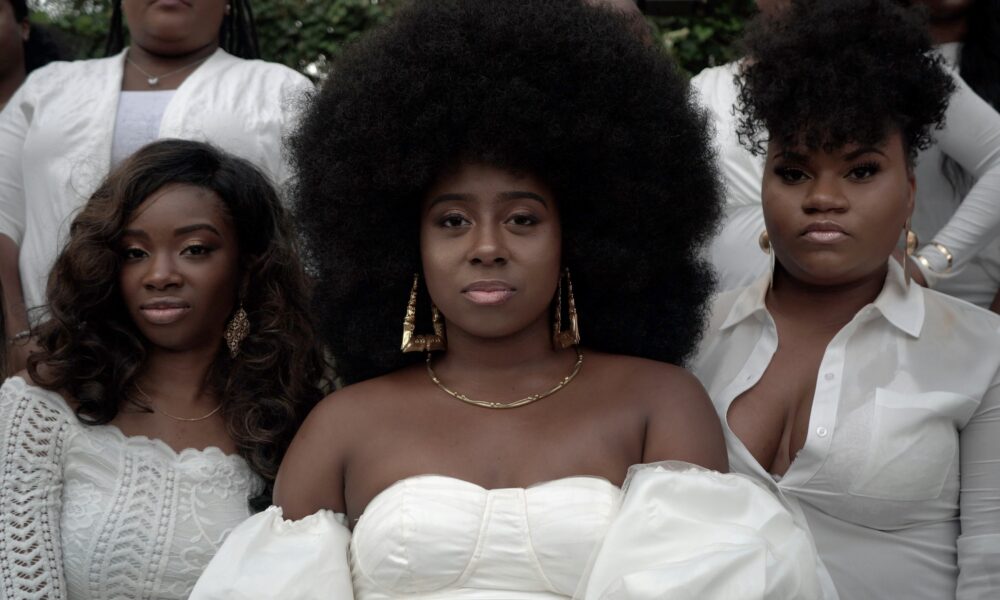
“Nappy,” “unmanageable,” and “bad hair” are words that have been used across decades by upholders of white supremacy to describe the texturized hair of Black people. Throughout years of oppression, these beliefs about textured hair have forced their way into and seeped into the Black community. Only in the ‘60s and ’70s, in the midst of the natural hair movement, has the idea of Black people wearing their natural hair been accepted. But the internal feelings of hate towards our hair still prevails, especially for Black women, who have fallen victim to the rhetoric that their hair is too short or too coily to be desirable.
“By the time a Black girl is six, she knows the value of having the ‘right’ hair texture and skin tone,” says Dr. Donna Oriowo, a clinical social worker and founder of Cocoa Butter & Hair Grease. This upholding of texturism discussed by Oriowo in an interview with Allure magazine is what keeps generations Black people trapped in the harmful ideology that tells young African American girls their hair is “bad hair” and only the pin straight hair atop the heads of white women is “good hair.”
This idea of “good hair” has led to a dramatic pileup of issues within the Black community, the entire continent of Africa, and even globally. School administrations throughout African countries prohibit their students to wear their natural Afros, and force students to either cut their hair or get chemical relaxers, which irritate the scalp and cause irreversible damage to hair follicles according to a study published by the Journal of The American Academy of Dermatology (JAAD) on the Safety of chemical hair relaxers. Several African countries such as Kenya, South Africa, Nigeria, Ghana and other parts of the continent have strict “cleanliness policies” that disallow students to embrace their natural textures. The same can be said for some select American private schools that claim their rules prioritize the tidiness of their students, but in reality all administrations that outlaw Black students presenting their hair in its most natural form seek to oppress Black identity and uphold white supremacy.
Ever since the Negro Act of South Carolina, which restricted the autonomy of the enslaved, was established in 1735, white people restricted the expression of the Black individuals across America. Although this act has since been abolished, Black women in schools and the work force are still discriminated against, as our hair is branded as “unprofessional.” The state of a Black woman’s hair is proven to have a significant effect on determining if she is hired, according to the 2023 CROWN Workplace Research Study done by Dove.
Within the Black community, women have taken to constantly wearing wigs since the rise in their popularity in the 1950s and 60s, and a trace of this popularity is seen in the large influx of beauty influencers promoting quality wigs and extensions. In this glorification of straight hair and desire to conform in order to bypass shame for their natural hair, Black women have been taught to hate their own coily hair, leaving it to be neglected and not properly cared for. Most that turn to wigs to cover up their coily hair also do not realize the exploitation of women in the global hair trade. Women in several countries such as China, India, Vietnam, Cambodia, and other nations have become so desperate to make ends meet for their basic needs that they have been forced into allowing hair sellers to shave their heads just for a few extra dollars, based on an article from Al Jazeera.
All of these issues alike stem from the establishment of texturism by the white majority over a century ago. The only way to combat discrimination towards different hair textures within the Black community is to acknowledge its existence, and take steps forward to dispel the ideas of what makes “good hair,” starting with the ideologies that allow and encourage discriminatory action against Black hair. Discrimination against coily hair textures happens day to day across the world, and it’s important to recognize your personal role in dissipating the prejudices that so many people still carry. Whether the focus is educating yourself or those around you, it’s crucial to combat texturism within your community and make change for the future of Black people around the globe.



Teaching Jane Eyre in the 21st Century
Road to 1,000 points – Kai LauQuan