
Fighting for What’s Right: A Repetition of History

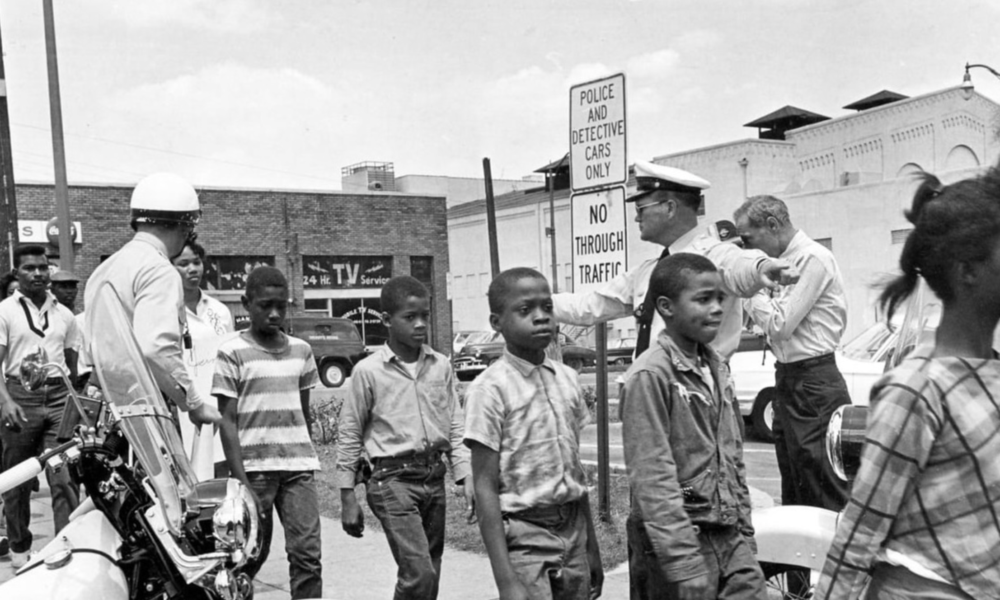
Students, including myself, fight for what we care for. We fight because the adults of this country choose not to. We have to lead these protests because we see the injustice and unfairness in today’s government. During these walkouts and protests, we’re able to amplify our voices, allowing us to demand change for urgent issues, and protest against policies that were set in place that need a change. Our freedom of speech allows us to do these things and practice our rights, while taking matters into our own hands. In doing so, students across the nation get one step closer to leading that change.
Many say that history repeats itself, and it does. Protests happening today are similar to those happening in the 1960s. The children of today are asking for a bigger change, just as the children of 1963. While the students of today protest about ICE, students and children in 1963 protested about segregation laws. Both had a purpose, and it was to better the country.
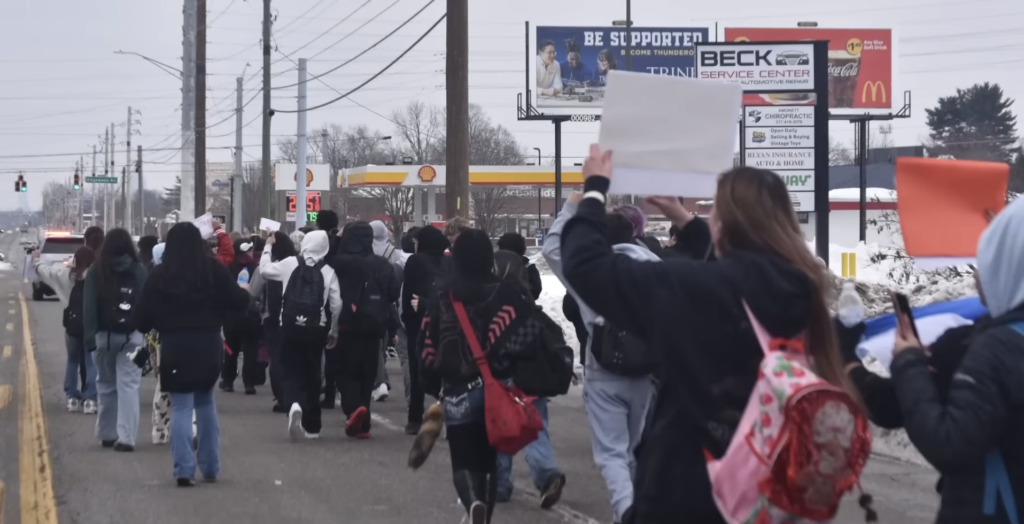
As the Children’s Crusade took place “more than 1,000 students skipped school to participate in the protest,” as stated by Alexis Clark in her article “The Children’s Crusade: When the Youth of Birmingham Marched for Justice.” “The youth, rang[ed] from ages 4-18, held picket signs and marched in groups of 10 to 50, singing freedom songs.” Those students wanted to change the laws of the country to better it. They noticed that the work the adults were doing hadn’t been leading them to the outcomes, so they took matters into their own hands. Those students all went out to protest for their Civil rights, just as Martin Luther King Jr. had, and they experienced backlash. As Clark stated, “Television crews and newspapers filmed the young demonstrators getting arrested and hosed down by the Birmingham police, causing national outrage. More than 2,000 children were reportedly arrested during the days-long protest.” This large impact and demonstration of what the police were doing had been seen across the country. At the time, “President John F. Kennedy demanded a resolution and [by] sending assistant attorney general Burke Marshall to Birmingham to facilitate negotiations, white city leaders called a meeting with King. An agreement was made to desegregate lunch counters, businesses and restrooms and improve hiring opportunities for Black people in Birmingham.” After the Children’s Crusade, Dr. King continued on with the Civil Rights Movement, marching to Washington to deliver his “I Have a Dream” speech. These children all had an impact on what Dr. King was fighting for. These children were able to help Dr. King with the movement, bringing more attention to it because they were kids.
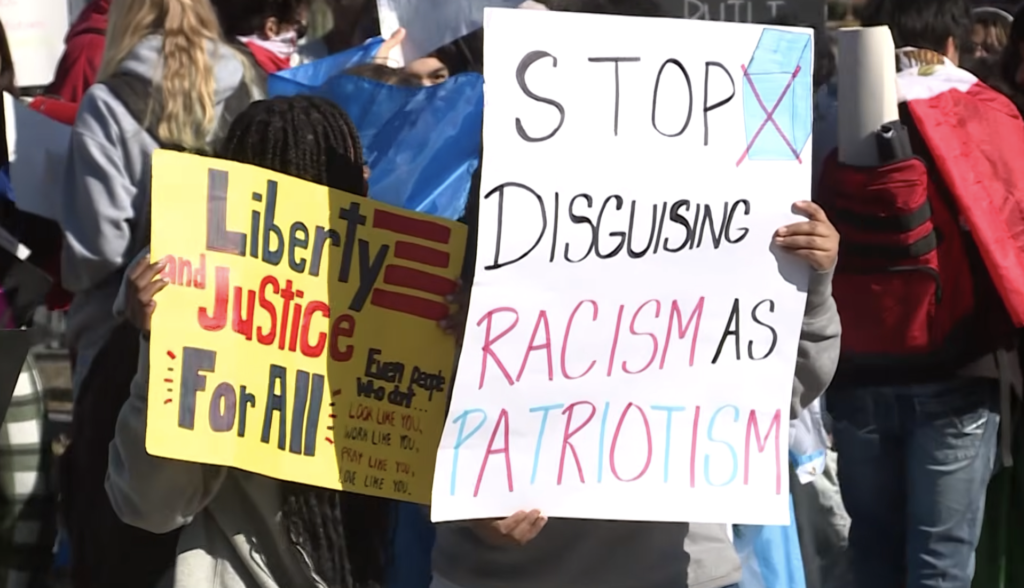
Just as the Children’s Crusade did, today’s students walk out of class to protest about ICE. Students all across the United States protest about what ICE is doing under President Trump’s administration. Schools in Indianapolis, Tallahassee, Fort Collins, Denver, Reno, Milwaukee, Phoenix, Knoxville, Chelsea, and more counting, all hosted student-led walkouts to raise awareness of what ICE is doing. From Defending Education, it lists the many school districts that have taken part in these walkouts. Over 405 schools held anti-ICE walkouts just this year, spanning from late January 2026 to mid February 2026. These schools weren’t just high schools, but also middle schools. Thirty out of the 405 schools were middle schools. These marches and walkouts have an impact on their communities and the people in the area. These walkouts are able to spread awareness of what’s happening with the ICE raids and how they’re detrimental to communities. Some school districts have backlash with these walkouts, giving the students who participate unexcused absences, and even suspensions.
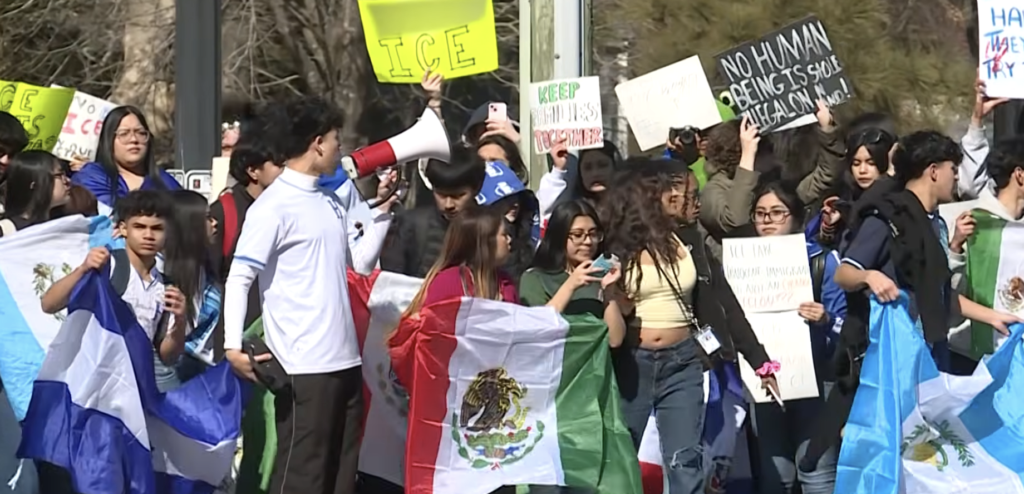
In Quakertown, students who protested about anti-ICE have been detained and arrested were called for release by their families and the community in February. Students were shoved, thrown to the ground, put in headlocks, and put in handcuffs by the police. One student, whose name will not be mentioned, was put into a headlock by the chief of police, who wasn’t in proper uniform. Those students were arrested and were kept in prison for longer than 24 hours. Families were upset and wanted answers as to why they couldn’t see their children, knowing they’re only in high school.
Similar to that event, student Devon Dulaney was suspended from Deep Creek High School for participating in his school’s walkout against ICE. In his interview with WAVY TV 10, he stated: “We were basically saying how ICE [is] bad. ICE is ripping families apart,” and, “[he] feels like [he] made a difference for everybody in the community.” He was proud to be a part of the protest that Friday. Just like him, students in Southport High School also were suspended after their ICE protest. Reporters from WTHR reflect upon this event and shared that “even though [students] are going to be suspended, they still feel like it was important to them and that it was a bigger issue than this.”
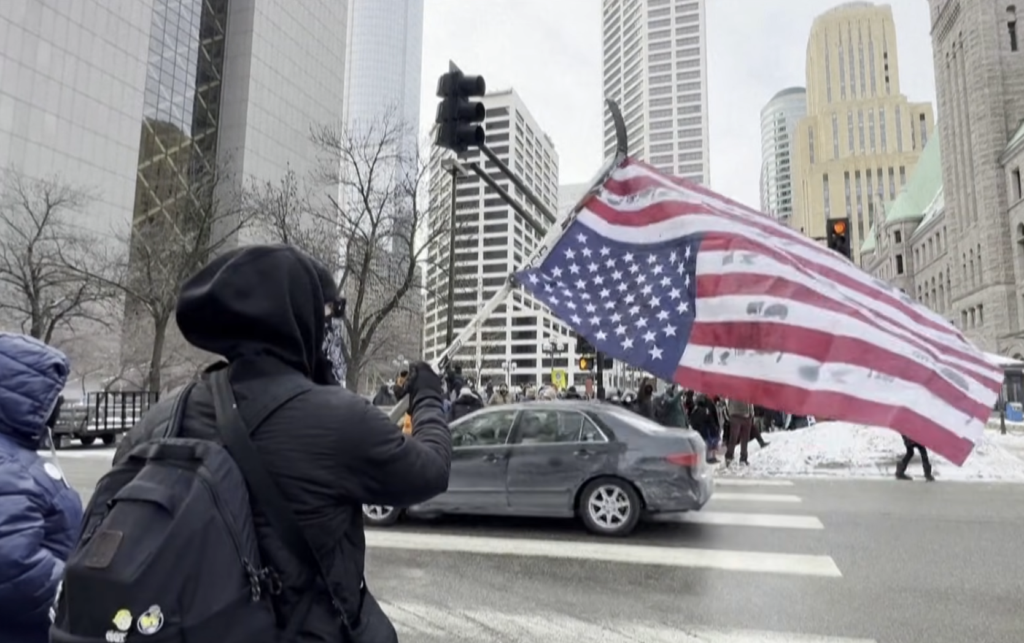
Students like this all march to fight for what’s right and fight for a bigger change. Although the backlash against today’s student protesters differs greatly from the violence and dangers faced by the children who took part of the Children’s Crusade, both movements sparked powerful reactions from the adults and pushed older generations to confront the issues young people were demanding attention be given. However, it is important to recognize the different historical contexts and stakes of each movement. The children who took part in the march in Birmingham, 1963, many of them were Black students living under segregation, risked arrest, police brutality, attack dogs, and threats to their lives simply for demanding basic civil rights. Today’s student protesters also faced criticism, punishment, or public backlash, but the risks were not identical. Even so, both movements demonstrate how young people can influence public opinion, inspire broader activism, and pressure adults to respond to social injustice. It raised awareness to this cause and broadcast channels worldwide are recognizing what Trump is doing. FRANCE 24 English recognized Liam Ramos, a 5 year-old boy arrested in Minnesota, and what impact ICE was having towards families across the United States. Nationwide walkouts were and are happening because of such events.


Other Articles