
The Brazilian & American Language Difference: The Contrast in Relationships


I’m a very different person now than my six-year-old self. Aside from the obvious growth and developmental changes most people go through in ten years, my environment changed completely. I went from being surrounded by family and comfort to that life being entirely flipped around with a simple plane ride. When I arrived in the United States a decade ago, I had to learn a new language and make new friends, but that wasn’t the hardest part of the move. The cultural difference between the U.S. and where I was born was the biggest change. In Brazil, the culture that surrounded me was very affectionate and close, seeing family and friends every day, and being a tight-knit community. When I moved to Boston, the cultural difference surrounded my family immediately. I soon came to realize that here, people aren’t as bonded and connected; they’re independent and more closed off.
Expressing myself in English and making friends is especially hard because of this difference. In the Portuguese language, some words don’t have English equivalents, and most of these words express deeper relationships with those around us. The Portuguese words saudade, xodó, miminho, and cafuné all show how the English language highlights the difference between American and Brazilian culture.
Saudade
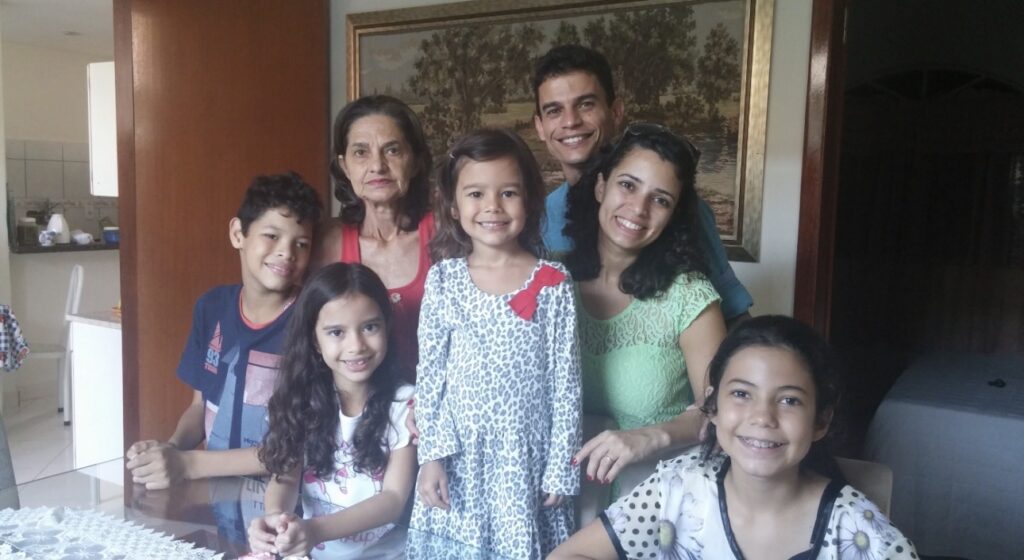
This is perhaps one of the most famous untranslatable words from the Portuguese dictionary. Saudade is an emotion that you feel for something or someone who is not currently present. You can feel it for a person, a place, experiences, or even feelings. The most important part is that to feel it, you must love that thing deeply. The Michaelis Dictionary states that it’s a “nostalgic and melancholic feeling” for something or someone “absent, distant, or extinct,” as well as pleasures and emotions that have already passed. In Brazil, it’s very common to hear it daily because Brazilians are very loving, which leads to a lot of love for many things. I feel saudade for my family, my city, and all my memories in Brazil, yet I can’t easily express it in English.
Xodó

My first pet in the United States was a canary named Xodó. Cambridge Dictionary defines the word as “something or someone highly cherished” and can be used along with the adjectives sweetheart or favorite. Calling someone or something your xodó is a term of endearment, like calling someone your treasure or a highly valued person. My bird Xodó was very meaningful to me up until the day he died, making him live up to his name perfectly. He died when I was eight due to cancer in his legs. No nearby vets could care for birds, so we maximized his comfort and treated him like a child because he was our xodó. Although this one isn’t heard as much in a day-to-day in Brazil, it still holds a deep meaning.
Miminho
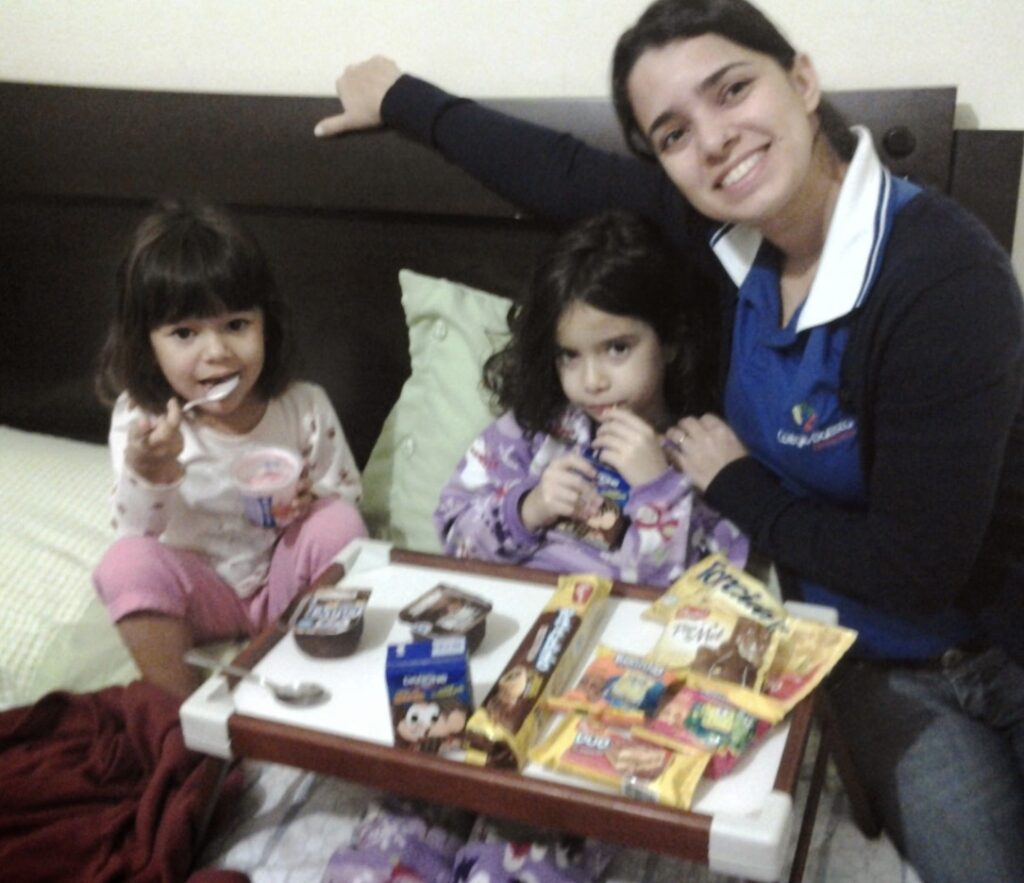
A miminho isn’t heard much at all; rather, it is experienced. In Brazilian culture, even simple gestures like greeting or saying goodbye often involve physical touch, even if you have just met the person. As you get closer to others, hugs start to feel too automatic, so Brazilians turn to miminhos. Miminhos are “affectionate actions or expressions with which you treat someone else,” as defined by Infopédia, with some actions being “affection, kindness, or tenderness.” Miminhos come in many ways, yet form and strengthen relationships. A tradition in my family is breakfast in bed for birthdays and holidays like Mother’s Day, Father’s Day, or Children’s Day. Whenever I’m among Brazilians at church, at home, or at events, miminhos are very common in the culture. We share food and drinks, engage in a lot of physical touch, and talk all the time, which helps people know more about the other and feel more comfortable in the community.
Cafuné
The last word is cafuné, which is simply caressing someone’s hair, typically to lull them to rest or sleep. This is done a lot for all ages and people: to settle babies, relax a sick child, bond with a teenager, love a partner, and simply to grow closer to someone. This is a type of miminho and something I grew up with daily in my Brazilian household. Watching a movie, being sick, or just wanting closeness all led to receiving cafuné throughout my whole life. My mom gives me the most cafuné, and our relationship is very strong because of that.
Having daily interaction with both these sparsely different cultures and languages is difficult and changes how I interact and express myself in each language. The culture in the U.S. is to live an independent and individual life with minimal contact and affection, which, in turn, separates me from having a deeper relationship with people in the U.S. compared to the relationship I have with other Brazilians. The actual Portuguese language and Brazilian dialect have these words to express the tender community and culture that it holds. The words saudade, xodó, miminho, and cafuné all mean a lot to Brazilians when forming strong relationships within the community with the strong culture that holds it together.


Other Articles

The Uncensored Library: A Safe Haven for Journalism