Teens in Print
  • About Us
    • About Teens in Print
    • Meet the Staff
  • Browse Writing
    • By Topic
      • Cultural Criticism
      • Life During COVID-19
      • School and Career
      • Arts, Entertainment & Food
      • Science, Health & Technology
      • National and Global Issues
      • Local Issues
    • By Genre
      • Reviews & Listicles
      • Creative Writing
      • Opinion Writing
      • News
      • Personal Essays
      • Advocacy Letters
      • Multimedia
    • By Author
      • Cimmaron Holman Jr.
      • Ella Verinder
      • Gloria Ekechukwu
      • Graham Martin-Wilson
      • Isaiah Roseau
      • Ketura Joseph
      • Lily Castello
      • Shaniece Clarke
      • More authors
  • For Teachers
  • Get Involved
    • Join Teens in Print
    • Collaborate
    • Volunteer
    • Contact Us
Teens in Print

Type and hit Enter to search

Teens in Print
  • About Us
    • About Teens in Print

    We’re a writing program for Boston students. Learn about our approach and what we offer.

    • Meet The Staff
    Get to know the writing mentors behind Teens in Print.
  • Browse Writing
    • By Topic
    • Cultural Criticism
    • Life During COVID-19
    • School and Career
    • Arts, Entertainment & Food
    • Science, Health & Technology
    • National and Global Issues
    • Local Issues
    • By Genre
    • Reviews & Listicles
    • Creative Writing
    • Opinion Writing
    • News
    • Personal Essays
    • Advocacy Letters
    • Multimedia
    • Teens in Print Magazine
    • By Author
    • Cimmaron Holman Jr.
    • Ella Verinder
    • Gloria Ekechukwu
    • Graham Martin-Wilson
    • Isaiah Roseau
    • Ketura Joseph
    • Lily Castello
    • Shaniece Clarke
    • More authors
  • For Teachers
    • Use TiP in your classroom

    Model skills or genres using mentor texts by students.

  • Get Involved
    • Join Teens in Print

    We’re always looking for new voices. Boston students from grades 8 – 12 are welcome to apply.

    • Collaborate
    We offer workshops for educators and community organizations. Drop us a line to partner with Teens in Print.
    • Volunteer
    Lend your expertise to Teens in Print as an editor, writing mentor, guest speaker, or more.
    • Contact Us
    Reach out to Teens in Print.

Type and hit Enter to search

Teens in Print
  • About Us
    • About Teens in Print

    We’re a writing program for Boston students. Learn about our approach and what we offer.

    • Meet The Staff
    Get to know the writing mentors behind Teens in Print.
  • Browse Writing
    • By Topic
    • Cultural Criticism
    • Life During COVID-19
    • School and Career
    • Arts, Entertainment & Food
    • Science, Health & Technology
    • National and Global Issues
    • Local Issues
    • By Genre
    • Reviews & Listicles
    • Creative Writing
    • Opinion Writing
    • News
    • Personal Essays
    • Advocacy Letters
    • Multimedia
    • Teens in Print Magazine
    • By Author
    • Cimmaron Holman Jr.
    • Ella Verinder
    • Gloria Ekechukwu
    • Graham Martin-Wilson
    • Isaiah Roseau
    • Ketura Joseph
    • Lily Castello
    • Shaniece Clarke
    • More authors
  • For Teachers
    • Use TiP in your classroom

    Model skills or genres using mentor texts by students.

  • Get Involved
    • Join Teens in Print

    We’re always looking for new voices. Boston students from grades 8 – 12 are welcome to apply.

    • Collaborate
    We offer workshops for educators and community organizations. Drop us a line to partner with Teens in Print.
    • Volunteer
    Lend your expertise to Teens in Print as an editor, writing mentor, guest speaker, or more.
    • Contact Us
    Reach out to Teens in Print.
Reviews & ListiclesTechnology

AI’s Negative Effect on Our Earth

Jorge Luis Diaz Kelly
January 30, 2026 2 Mins Read
3 Views
0 Comments

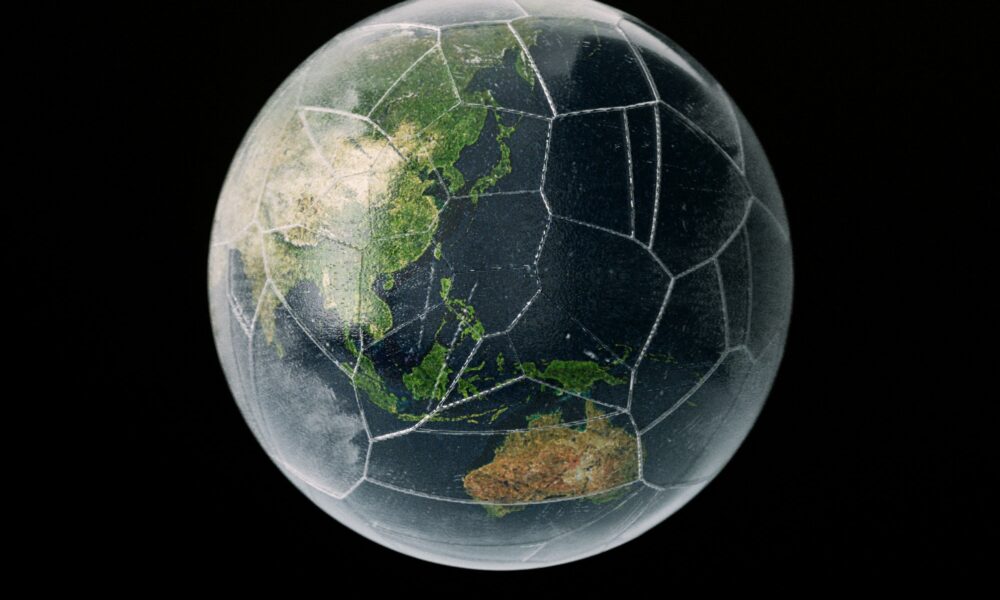
Ai is KILLING our planet and DESTROYING everything & taking peoples resources like freshwater and clean air. Here’s why I think generative ai is harmful and bad to the environment. it’s bad because They use massive amounts of energy just to generate a single response and since the generators are really hot it makes cities around the servers like air quality issues by AI due to the significant energy and infrastructure demands of the ai data centers.Why don’t people take this topic more seriously     9 and continue to use generative ai instead of letting their creativity flow like they used an ai generated video at a art museum of van gogh their use of ai is bad for their minds if they rely on everything they do too ai.

What’s Bad

I think generative AI is harmful and bad to the environment. It’s bad because it uses massive amounts of energy just to train the models and generate responses for everyone’s prompts. Air quality issues are made worse due to AI’s significant energy use. Since the generators are really hot it makes cities around the servers hotter. IBM said “ChatGPT’s daily power usage is nearly equal to 180,000 U.S. households, each using about twenty-nine kilowatts.” Our electricity infrastructure is receiving a lot of demand from AI data centers, all just to power servers and data center buildings, to answer prompts.

AI Is Being Used Too Much

Why don’t people take this topic more seriously? Why do they continue to use generative AI, instead of letting their creativity flow? Even an important art exhibition of Van Gogh at the Musée d’Orsay in Paris Musée d’Orsay in Paris used AI for a video! Relying on AI is bad for their minds and it makes them not pay an actual video maker. When people rely more and more on AI not only for art, but to pass classes in school instead of doing the work on their own, they are hurting their brains.

Biases in AI

AI systems can reflect and even amplify biases present in the data they are trained on, leading to unfair or discriminatory outcomes in areas like hiring, loans, and law enforcement. The biases are sometimes distorted when coming out of the chatbot and are harmful outputs. In an article by Chapman U, they list out all the biases, explaining how some are ‘implicit’ which means they prevent minorities and sometimes women from being treated with respect, and ‘explicit,’ which means things like generating offensive, racist, language.

Threats from AI

AI can be used to create new cybersecurity threats, such as more sophisticated cyberattacks, and can also collect and process vast amounts of personal data, raising significant privacy concerns and possibly scam people with the images it can generate making people think it’s real.

Print Friendly, PDF & Email

Tags:

AIclimate changeListicleTechnology

Share Article

Read more by this author Written By

Jorge Luis Diaz Kelly

Next
January 30, 2026

Wanna hear a song so good it’ll have you replaying it millions of times?

Previous
January 30, 2026

The Psychology of Bojack Horseman

You might also like

The wildest conspiracy theories taking over the internet

Lisdaly Suazo
January 30, 2026

Absolutely everything you NEED to know about owning cats.

Nyzaeh Vasquez
January 30, 2026

Wanna hear a song so good it’ll have you replaying it millions of times?

Jari Rivera
January 30, 2026
Image of the puppet shark from Jaws, with Steven Spielberg holding its mouth open

How sharks are misjudged.

Jeiri Massiel Pegureo
January 30, 2026

Subscribe to our newsletter and get student writing delivered to your inbox.

Sign me up
Teens in Print
We’re a writing program and publication for Boston students.

2025 © Teens in Print All rights reserved.

Quick Links

  • Home
  • About Us
  • Browse Articles
  • Join Teens in Print
  • Contact Us
  • About our parent organization, WordPowered
  • Terms & Conditions
  • Privacy Policy

Keep up with TiP

Instagram Youtube