Stevie Wonder’s Masterpiece, Songs in the Key of Life. Is it the Greatest Album Ever?

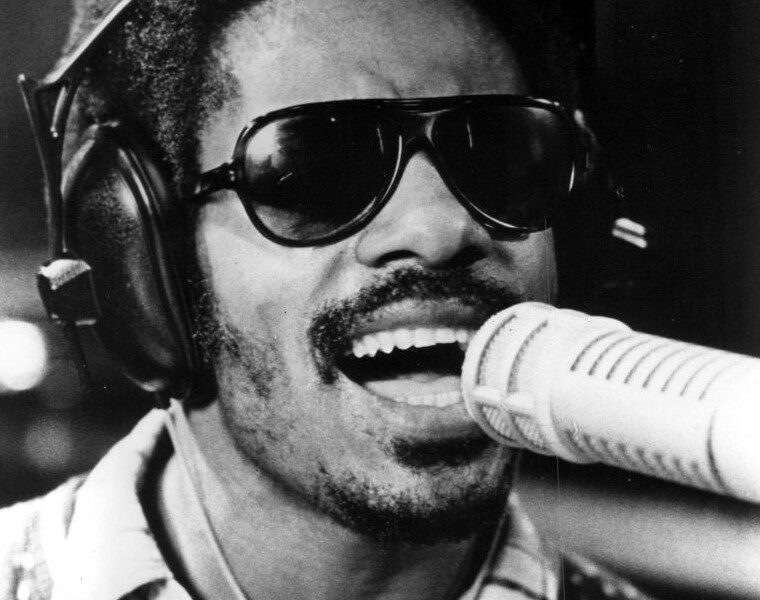
In September 1976, after two years of intense studio sessions, perfectionism, and anticipation, Stevland Hardaway Judkins, mainly known as Stevie Wonder, released a double album that created a new sound of popular culture. At just twenty-six years old, Wonder had reached a summit of artistic freedom that few musicians in history have ever been granted. Coming off a historic streak of masterpieces (Music of My Mind, Talking Book, Innervisions, and Fulfillingness’ First Finale) he possessed absolute authority over his creative vision. The result was Songs In The Key Of Life, a monumental, twenty-one track opus that captured the totality of the human experience. Half a century later, music critics, scholars, and listeners continually attempt to rank and re-evaluate the canonical giants of recorded music critics, scholars, and listeners continually attempt to rank and re-evaluate the canonical giants of recorded music. Yet whether measured by the complexity of each track, its groundbreaking genre outbreak, or its unmatched cultural legacy, Songs In The Key Of Life remains the definitive apex of modern music, the undisputed greatest album ever made.
What makes a true classic isn’t just how popular it is when it comes out, it’s how it shapes the music that comes after it. Songs In The Key Of Life didn’t just fit into the music scene of its time, it created the blueprint for modern music. From R&B and hip-hop to jazz and pop, you can hear Stevie Wonder’s impact everywhere. This influence shows up clearly in how other major artists talk about the album. Michael Jackson often called Songs In The Key Of Life his absolute favorite record. He remembered watching Stevie Wonder record it as one of the most special experiences of his youth, teaching him to push for great sound, try new things in the studio, and put real feeling into his music. Music experts agree. In an essay for the Library of Congress, writer John Lewis highlighted just how far the album’s impact reached saying “Its influence is evident in everything from R&B and hip-hop to jazz and modern pop
music; it laid the foundation for much of what followed in the works of artists like Prince and Michael Jackson.” Artists from Prince to Kanye West and Coolio (who famously sampled Wonder’s “Pastime Paradise” for his hit “Gangsta’s Paradise”) took ideas straight from Stevie’s songs. The record inspired multiple different genres as well through its emotional sound and bright vocals. Stevie involves gospel music while also connecting it to a funky sound, for example the song “Have a Talk With God” spreads the religious message to vent to God while also remixing the original sound with a modern funk sound. His creativity in the 70’s was unmatched and it seems two times more impressive taking in the fact that he was creating such music while being legally blind.
Before 1976, different kinds of music mostly stayed separate. Radio stations played rock, funk, jazz, or gospel, but rarely mixed them. Songs In The Key Of Life broke down those walls with a variety of musical styles that people had never heard on one record before. Wonder made it work by blending heavy funk beats, smooth jazz notes, orchestral sounds, and church gospel music into something that sounded great to everyone. The music combines spiritual lyrics about prayer and peace with modern synthesizer sounds and deep funk rhythms. By mixing church-style tunes with modern synth instruments, Wonder created songs that worked for gospel listeners and fans of new music alike. You can hear this type of creativity across the whole album. On “Sir Duke,” he plays a fun brassy tribute to jazz greats like Duke Ellington and Ella Fitzgerald. On “Contusion” he switches right into fast, energetic jazz rock. “I Wish” featured classic, upbeat funk bass, while “Village Ghetto Land” pairs heavy lyrics about poverty with smooth and classical strings. From a Pitchfork article by music reviewer Alan Light, he states “Songs in the Key of Life was the culmination of a historic period of creativity for Stevie Wonder. Its ambition and scope were unprecedented, and he never approached its caliber or impact again.”
Beyond the incredible music, the album stands out because of what Stevie Wonder actually sings about, including his own life with blindness. Rather than hiding or being defined by his lack of sight, he brought a deeply personal perspective to his songwriting. On the track “Village Ghetto Land,” he paints an intensely vivid picture of urban poverty, proving that he understands his surroundings even while being blind. Rather than seeking pity, Wonder proves on Songs In The Key Of Life that true insight comes from empathy, faith, and love. In a music review article from Subtrack, Troy Reimink a trusted music reviewer, states “The stately orchestral track sounds almost like a wedding processional, but is meant to evoke aristocratic decadence. He actually recorded the instrumental entirely on a synthesizer, which would make this one of the rare times a live string section would be deployed to reproduce something that came from keyboards, and not vice versa.” The creativity through this track shows his passion on where he came from and he does it through singing from his heart.
This album stands out as a masterpiece in Wonder’s already great discography because he pulled off everything he set out to do. Wonder took the full range of human feelings and turned them into amazing songs. Backed by praise from critics and other music legends, Songs In The Key Of Life doesn’t just hold a spot in music history, it shows us how great an album can be.


Other Articles