
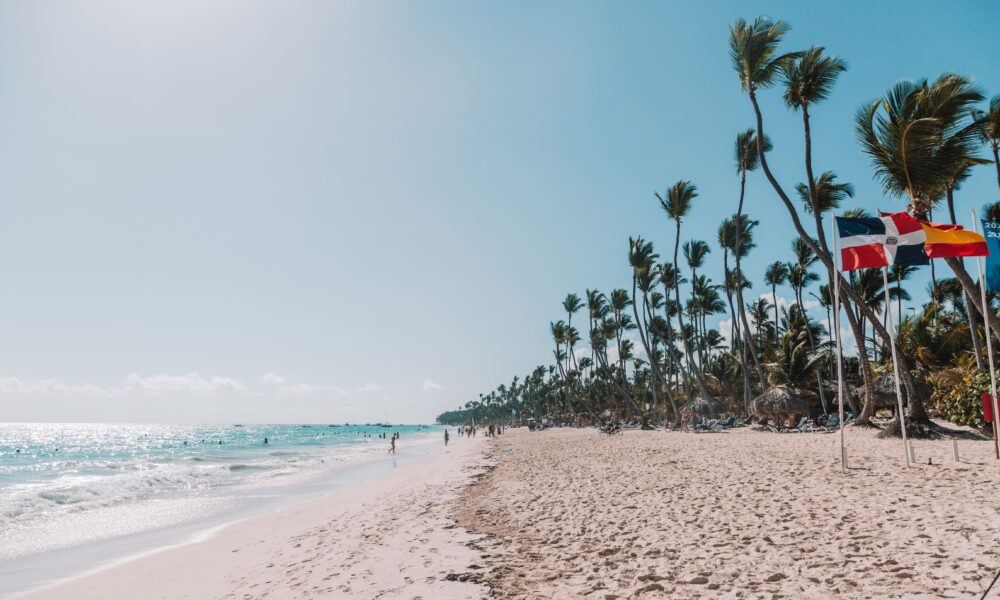
The lush and green island of Hispaniola, home to the Dominican Republic, holds an overlooked history of strength, determination, and resilience. The Dominican Republic is known for being one of the most toured countries in the world, rapidly growing in popularity because of its beautiful beaches and favorable climate. However, many people overlook the hardships that took to get it to where it is today.
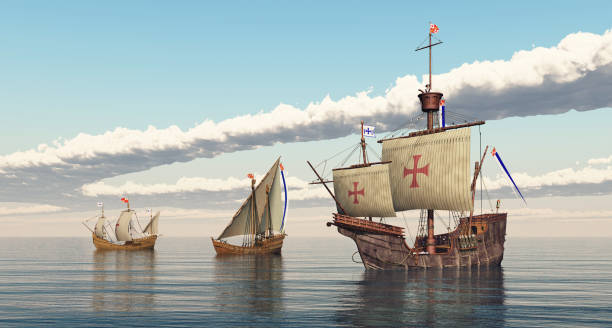
This story goes back all the way to the 1400s. According to Britannica, Christopher Columbus first stepped foot on the island of Hispaniola on December 5th, 1942. He and his Spanish army quickly fooled the native Tainos into selling their vast quantities of gold in exchange for cheap objects such as mirrors, which the original Taino people found intriguing and amazing. To this day, there is a famous saying in the Dominican Republic that goes: “ese se deja engañar con un espejo,” which translates to: “He would let himself be fooled with a mirror.” The Spanish army quickly colonized the island and even established their own capital called “Santo Domingo” which still has the same name to this day.
In 1821, they were briefly liberated from Spanish rule in what is known as the “Ephemeral Independence” where José Núñez de Cáceres overthrew the Spanish crown bloodlessly while they were distracted by a civil war happening in Spain. The Dominican Republic was under Spanish rule for a total of 334 years. 329 of those stemming from the initial arrival of Columbus.
Throughout all their struggles, the Dominican Republic has not only suffered politically and economically, but has suffered changes in their population as well. When Columbus landed on Hispaniola in 1492, the island was entirely inhabited by Taino people. Nowadays, only around 22 to 30 percent of Dominicans have traceable Taino DNA. That means that two thirds of Dominicans today are living products of the effects of colonialism, showing just how much it can change a country and population. Fortunately, Taino traditions and influences can still be seen throughout the island. The “conuco” farming technique created by the Taino people is still heavily utilized by farmers in the Dominican Republic today. Remnants of Taino language still exist on the island as well, such as the words “maiz,” and “yuca.” These are foods that are still eaten commonly by not only my family, but Dominicans from all over the island and the world.
On February 9th, 1822, just two months after gaining Independence from Spain, the Dominican Republic was annexed by the Republic of Haiti, which led to a grueling 22 year rule. This sparked a great separation between the two nations, even though they share the same island. For decades, the Dominican Republic endured Haiti’s oppressive rule. The Haitian president, Jean-Pierre Boyer, reserved administrative roles strictly for Haitians and imposed a strict rural labor code. The Haitian army would seize supplies from Dominican residents to sustain themselves. Finally, 22 years later, the Dominican Republic fought in the “Dominican War of Independence” and gained their independence from Haiti after a grueling 12 year war.
Unfortunately, in 1863, Spain recolonized the country yet again, which caused a bloody guerrilla war that lasted one year and ten months. For nearly two years, armed civilians and rebels used hit and run tactics against the fully equipped and structured Spanish army. The war claimed the lives of about 10,000 Spanish soldiers as well as 4,000 Dominicans. However, the Dominicans’ valiant efforts finally led to the full sovereignty of the Dominican Republic in 1865.
Throughout all the battles and revolutions fought, Dominicans have paved a path of pride for centuries. Today, other Dominicans and I can look back at our history and be proud of our ancestors because we know all that they went through in order for us to call ourselves Dominican. I believe this history is why my people feel the need to represent themselves so much in every place they go to, most notably cities like New York and Boston.
The Dominican Republic has fought valiantly throughout the last two centuries against nations such as Spain and Haiti. After two wars and a total of nearly 14 years of conflict, the Dominican Republic still found a way to gain their independence and successfully flourish into what it is today. The lush island of Hispaniola that had been tainted by colonialism, has finally found a way to bloom once again.


Food Spots in the South End
America, Do You Know Where Your Children Are?