

Nowadays you probably find yourself spending hours on a device working, texting, or scrolling on an endless feed. Screentime is quite a big thing now, people hunched over a device scrolling on different apps typically on social media. Social media does have informational videos, but it’s mostly entertainment videos hooking people all over the world onto big endless-scroll platforms.

Recently, there has been a lot of brainrot on people’s feeds, which are short addictive videos or phrases people are getting addicted to, especially younger generation, Gen Z and Gen Alpha, but has been seen spreading slowly into older generations. Popular brainrot videos that have trended are Italian brainrots and the meme ‘six-seven.’ Examples of social media apps on which you’d mainly find those types of videos are TikTok, Instagram, and Youtube. With social media, screentime has increased by a lot. It is a daily occurrence or even an instinct to open an app and start doomscrolling for hours on end. That’s exactly the goal of social media platforms, to hook you in their platform for hours.
There has recently been a court case that decided social media platforms are purposely trying to get those who are young as their brains are still developing making it easier for them to get addicted to simply make money off them. In Bobby Allyn’s article, Jury finds Meta and Google negligent in social media harms trial, “It represents the first time a jury has found that social media apps should be treated as defective products for being engineered to exploit the developing brains of kids and teenagers.”
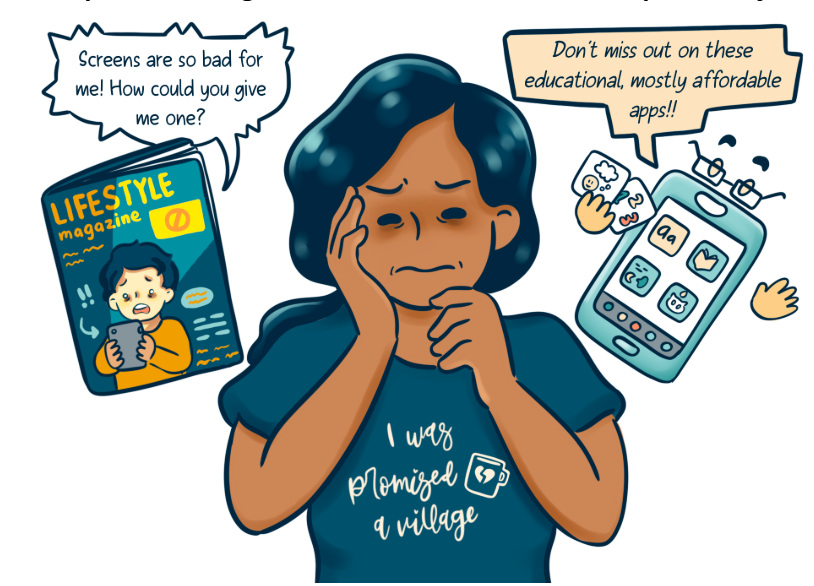
Having screen time as a way to cure boredom, to connect, or even for education, has its negative effects. Spending a lot of hours looking at a screen makes it slowly grow into an addiction, and can potentially lead a person towards the darker side of the internet. According to health experts, excessive screen usages have also been found causing a rise in obesity, mental health conditions, and much more. The effects of excessive screen usages is something that lingers and can’t be fixed in a snap. Especially for those who are young, it could affect their cognitive development and make things harder for them growing up compared to kids who are not using screens as much.
An example of an impact on cognitive development is your executive functioning, like your planning or focus which is what you use in your daily life. So it’s not recommended to spend long hours on screens, especially every day.
Knowing that a high dosage of screen time is not healthy, try taking a break sometimes to complete other tasks on hand. You could limit your time on technology by using the features on your device or having someone help manage your screentime by keeping you accountable. Life isn’t all about being on social media. You could finish unfinished schoolwork, schedule a hangout with friends, and spend time on activities not involved with technology. Perhaps you could find a new hobby while you’re off of technology!


Other Articles

My First Visit To a High School Art Show
Global Impact of Trump’s Unnecessary War with Iran