

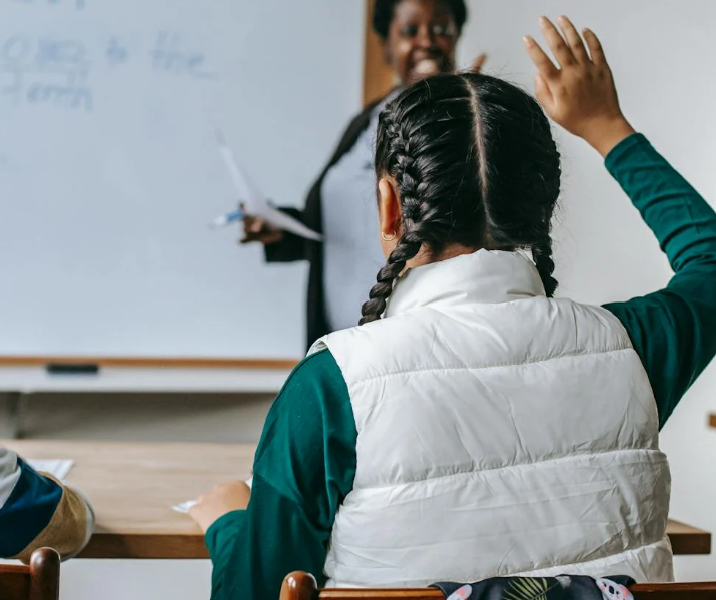
Transitioning into high school is a nerve-wracking time. Teenagers deal with many worries such as how difficult their classes will be, tryouts for their sports teams, and making friends. Among these worries may be their teachers. Unfortunately, they have no way of knowing the teaching styles and personalities they may encounter unless they ask upperclassmen. As a junior in high school, I know this can be inaccessible to freshmen depending on their social circles. College students avoid this problem by using the website “Rate My Professor” to choose professors they can work well with in order to achieve their goals. While high school students don’t have that advantage, this article can serve as something similar to help them overcome any challenges they may face.
The Old-Fashioned Teacher
The Old-Fashioned teacher avoids technology like it’s the plague. They use paper for everything and depend on tests to measure the abilities of students over the added factor of classwork and homework. There are many students who, like me, become anxious in the testing environment. It is an inconvenience for this to be the only measure of students’ comprehension of the class material. I overcame this challenge by building a good study routine. For me, the best way to study is to find a quiet, comfortable space with no distractions. I like to snack on refreshments while I spend at least an hour practicing what I’ll be expected to do on my next assessment.
The Yapper Teacher
The Yapper teacher makes every class excruciatingly boring. They do not attempt to make their classrooms stimulating or engaging for their students. They feel strongly about you making the decision to pay attention so they won’t make an effort to keep you on the right track or chase you down if you stray from it. While this type of environment will help prepare you for college if that’s something you’re considering, it will also make you want to take a nap in their class. This puts an emphasis on the importance of finding motivation for school. According to the National Institute of Health, students’ belief in themselves leads to increased motivation and performance in schools. I am motivated by my parents’ hard work as Jamaican immigrants to give me the opportunities and resources that I have today. My work ethic is strengthened by the love and support I receive from my friends and family along with the desire to have a comfortable life when I’m an adult. But not everyone has support at home and that’s okay. Believing in yourself can come from paying attention to your own progress, personal passions, or your own values. Self-belief grows from noticing what you’re capable of and doing your best even when it’s boring or hard.
The Last-Minute Teacher
The last-minute teacher is a sneaky one. If you’re not wary of them, you will go through an entire term blissfully unaware of one poor grade that can potentially stain your transcript. This is the teacher that waits until the very last day of the term to put in all grades. Make sure you’re checking your grades everyday by logging in to Aspen with your student email and identification number. Keep up with your homework to ensure your final grade meets your expectations. If you ever feel unsure, ask your teacher if you’re on the right track, and if you are not you can ask for extra credit to boost your grade. Don’t let the habits of a last-minute teacher hinder your academic performance. Take control of your education to ensure colleges see the entire extent of your hard work, if you choose to apply.
The Unprofessional Teacher
The unprofessional teacher gets a little too comfortable with their students. They engage in offensive rhetoric with the whole class, not being mindful of students’ boundaries that they could be disrespecting. The Center for Adolescent Studies says keeping healthy boundaries with students makes teachers become safe and trustworthy adults. Practice advocating for yourself by making your boundaries clear and ensuring everyone around you respects them including your teachers. If speaking to them directly doesn’t work, you should exhaust all of your resources in high school. That means reaching out to your guidance counselor, school social worker, a trusted teacher, adult, parent, or friend.
Conclusion
Take control of your high school experience by introducing yourself to your guidance counselors. It’s important to create relationships with them so you can be exposed to every opportunity available to you and take the classes that will help you figure out your future career path. There is an app called, Rate My Teachers, where you can search for your school or a specific teacher. The app uses adjectives like “Easy, Helpful, and Textbook Use” to measure clarity, exam difficulty, and class structure, and there are open review submissions for the teacher. Unfortunately, Boston Public Schools are not included in this system. Bring this to the attention of your peers and teachers to try to make adding BPS teachers to this site a possibility, because it’s important for Boston high school teachers to be held accountable for their students. Additionally, speak up in class and let your voice be heard. Practicing this has helped me to develop a strong presence which has benefited me in the workforce environment.



Other Articles

AI Is Bad
Reasons Why Lost Girl is Underrated