
The Louvre Heist or the Isabella Stewart Gardner Robbery – Which One Is More Remarkable?

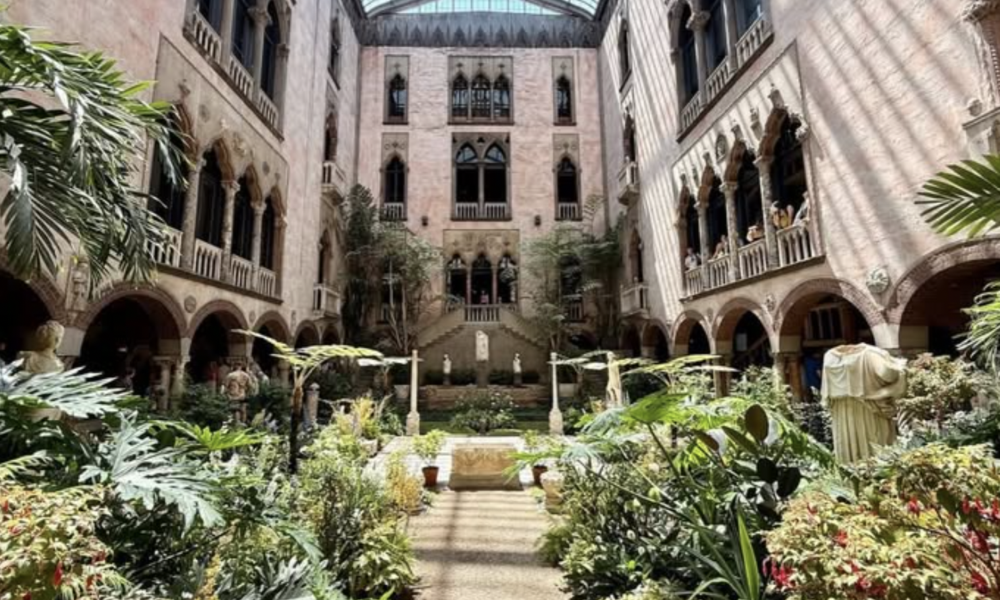
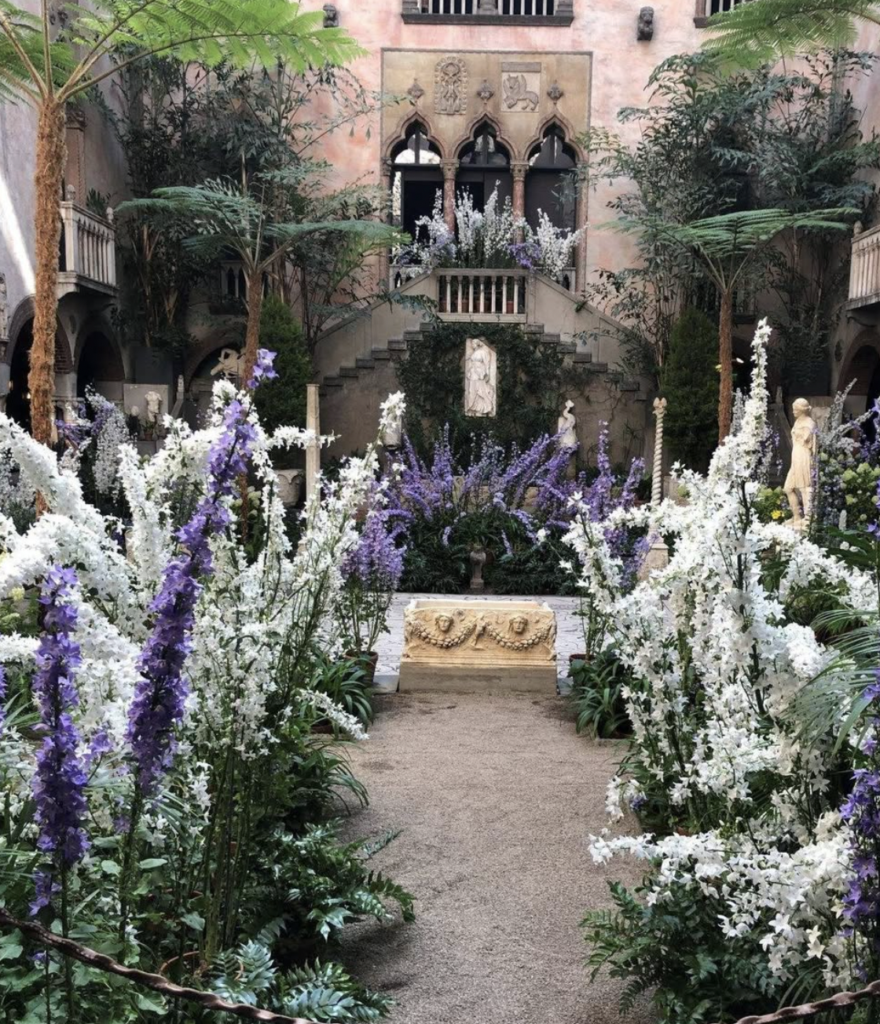
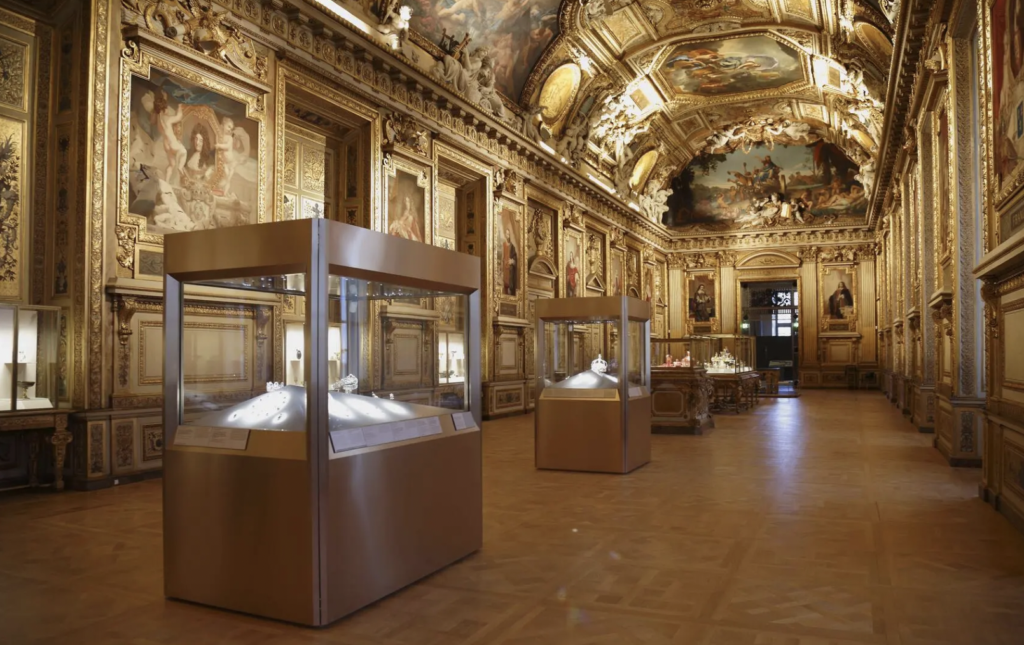
On March 18, 1990 Boston, two men walked into Boston’s Isabella Stewart Gardner Museum and committed history’s most valuable art heist which is still unsolved. Dressed as police officers, these men claimed they were responding to a disturbance. They were let in by a security guard and proceeded to restrain the guards on duty in the basement. Then, they spent eighty-one minutes robbing the museum, taking two separate trips to their car with 13 pieces of art that have never been seen again. Famously, two Rembrandts were stolen during this heist as well as Vermeer’s The Concert, now the most valuable stolen painting in the world with an estimated value of $250 million. In 2025, art heist is a familiar phrase again. On October 19, four construction worker-disguised thieves robbed the famed Louvre in Paris, France. With the help of a cherry picker, they snuck into the Apollo Gallery via the building’s balcony. The gallery is home to France’s Crown Jewels, eight of which the thieves stole. All of the jewels together totals $100 million. While in both robberies the culprits dressed in a uniform and stole expensive items, they differ drastically. Examining the facts, we can determine whether the older or more recent robbery was the more notable.
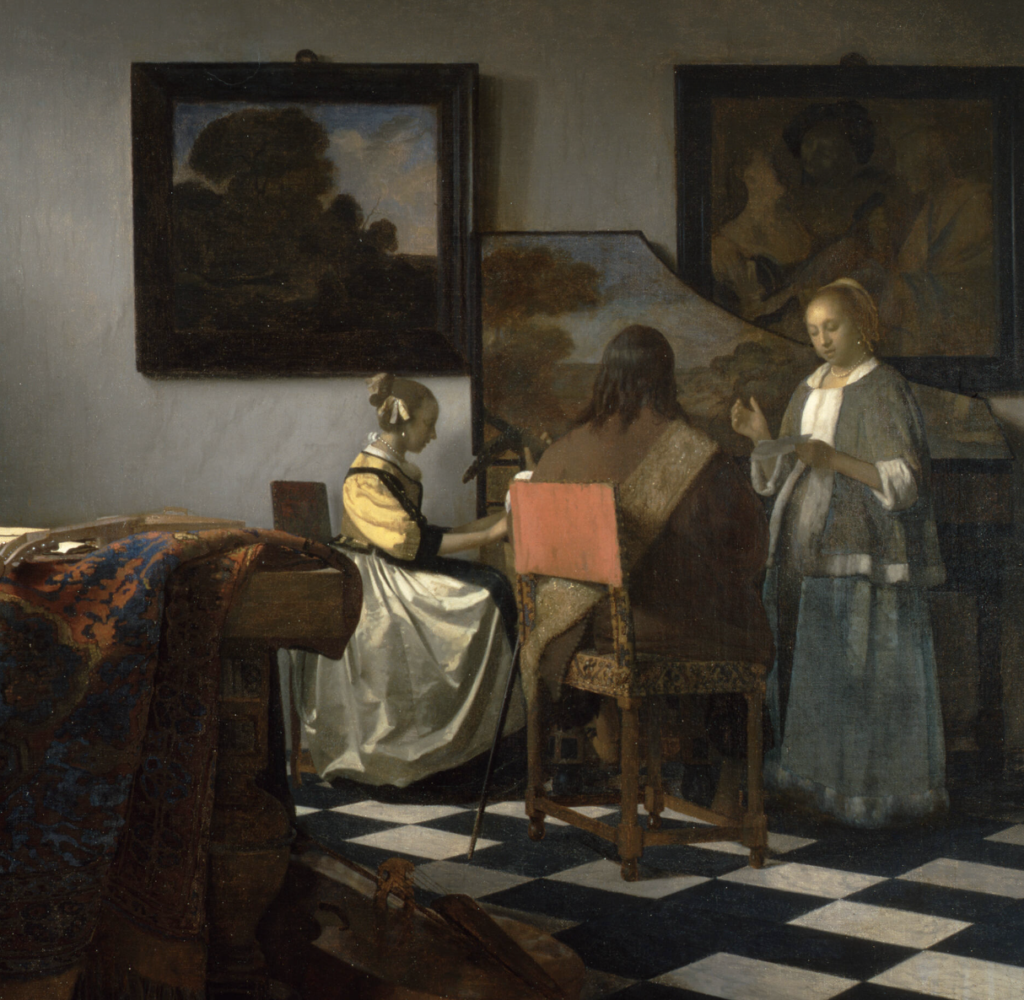
The biggest difference between the two heists is what was stolen. In the Louvre robbery, it is clear they were targeting jewels, especially because they were “less than 300 yards” from the Mona Lisa yet did not make a grab at it. On the other hand, robbers of the Gardner robbery were less specific. While they stole paintings such as the Rembrandts and The Concert, they also stole things such as a bronze eagle finial and a Chinese gu. The value of these items today is around $500 million, which is $400 million more than the more recent Louvre robbery. While the art from the Gardner may have more value, that does not mean it is more valuable as stolen objects. PBS News interviewed art crime investigator Arthur Brand about the Louvre heist. Brand told the outlet that the goal of the robbers in stealing the jewels was to take them apart and sell the diamonds and gems individually. For bigger gems, they would cut them apart. So, the jewels would lose some value, but the thieves would still gain a lot of money from the sale of the individual gems. To the general public, the gems would be unrecognizable as what they were originally, so the items could be sold to a wider range of buyers. In terms of the Gardner robbery, this is not the case. The artwork from the Gardner museum remains recognizable as they cannot be taken apart and sold – meaning they cannot be sold as easily as the Louvre gems can and must be sold out of the public eye where the listing cannot be seen by authorities. Therefore, when considering which heist was more effective in terms of getting money from them, it would be the Louvre. Another key thing to consider about the effectiveness of the robberies is whether the thieves were able to get away with it.
As of November 25, at least eight people have been arrested in connection to the Louvre robbery, three of which are the suspected thieves. Considering that in the span of a month the majority of the potential suspects were arrested, the Louvre robbers did not fully get away with the crime. This can not be said for the Gardner robbers. After looking into numerous avenues, it took until 2015 for the FBI to announce that they knew the identities of the robbers. However, both of the men died within a year of the robbery, so no penalty could be inflicted. The differences between the two are thanks to new technology, as the widespread Combined DNA Index System of today only served 14 state and local laboratories in 1990. All of the persons of interest in the Louvre robbery have been arrested due to DNA evidence found on the various objects left at the scene afterwards. The investigation into the Gardner robbers has been a lot less clear with the FBI announcing they know the identities of robbers while not revealing the names.
About the outcome of the art stolen in each of the robberies, the circumstances have similarities, but there is more hope for the Gardner works. None of the art from either robbery has been recovered; however, the Louvre robbers were more clumsy due to them dropping one of the stolen jewels – a crown owned by Napoleon III’s wife, Empress Eugénie. While they may have different robbery methods, both sets of thieves knew what to do once they got the art. The unknown location of the stolen art in both robberies has not stopped people from speculating, though. In the PBS News article, Investigator Brand also mentioned that the jewels from the Louvre robbery would “go far away from France to countries like India or Israel or Qatar” after being cut up. Since the art stolen in the Gardner robbery cannot become as unrecognizable, there is more hope. Geoffery Kelly, the lead investigator of the case for two decades, told the Globe that stolen artwork is often not found until generations have passed. In general, the FBI believes that the art was separate with some moved down the Eastern Seaboard.
Now, could the Isabella Stewart Gardner robbery, which occurred 35 years ago, have inspired the Louvre robbery? It’s unlikely. The thieves in both used disguises, but most robbers conceal their identity somehow. The differences in what they stole and the manner in which they did so (at night vs. during the day, restraining guards vs. getting in and out) prove that their only true relation is that they were museum robberies. If any heist were to have inspired the Louvre robbers, it would be the 2013 Carlton Cannes heist. Taking place in France as well, a singular man stole $136 million. The hotel from which the jewels were stolen had lax security, as did the Louvre at the time of the robbery, and occurred during the day.

Also, if the Louvre robbers took a page out of the Gardner robbers’ book, they would have never done it. The men who allegedly committed the Gardner robbery both died within a year of the crime, but both under suspicious circumstances as well. One died of a drug overdose (which Investigator Kelly considered a “suspicious death”), and the other disappeared two weeks afterwards, only to be found dead in the trunk of a car months later. In the same year, 1991, two other mob men linked to the robbery died as well. One was shot, another stabbed, both outside of their homes. Considering these outcomes, the alleged suspects of the Louvre robbery should be grateful they have just been arrested. Perhaps if they had known this information before they would have thought twice before robbing a museum.


Other Articles

MYC’s Town Halls Give a Voice to Boston Youth This January
REVIEW: Wicked: For Good Casts a Spellbinding Story